Table of Contents
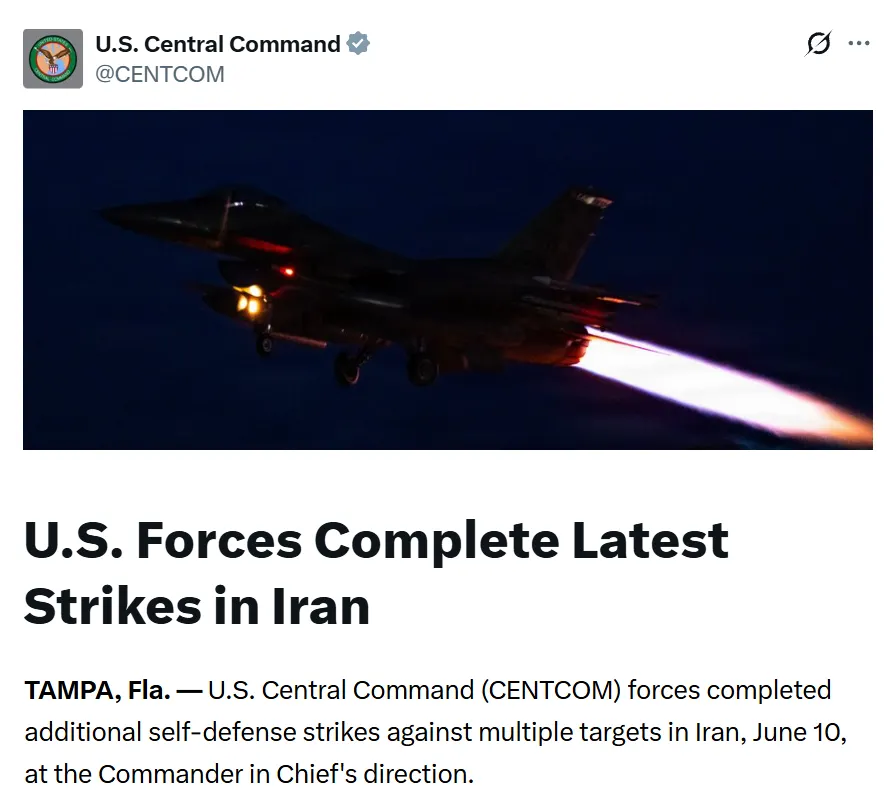
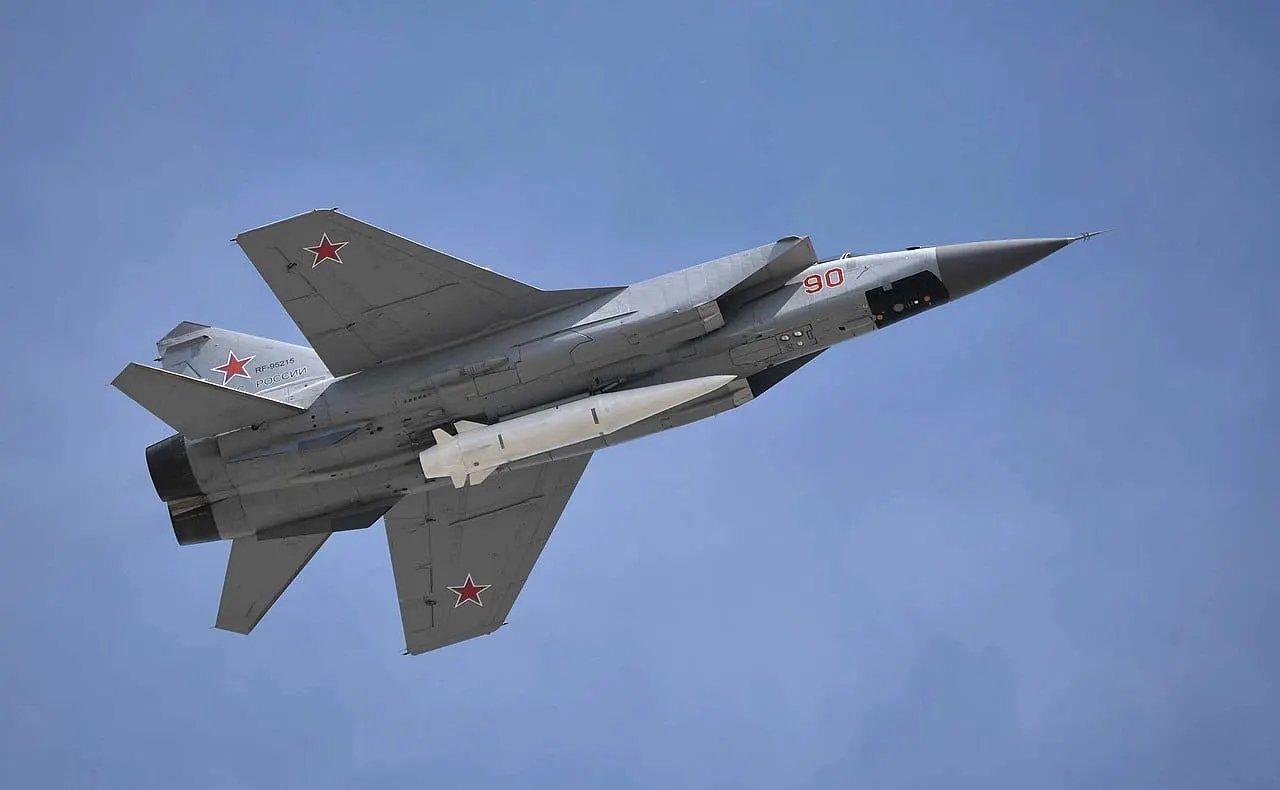
The fragile calm between Washington and Tehran shattered on Wednesday night. At 5.15pm ET, US forces launched a fresh wave of strikes against multiple targets in Iran amounting to the most serious escalation since the two countries agreed a ceasefire in April.
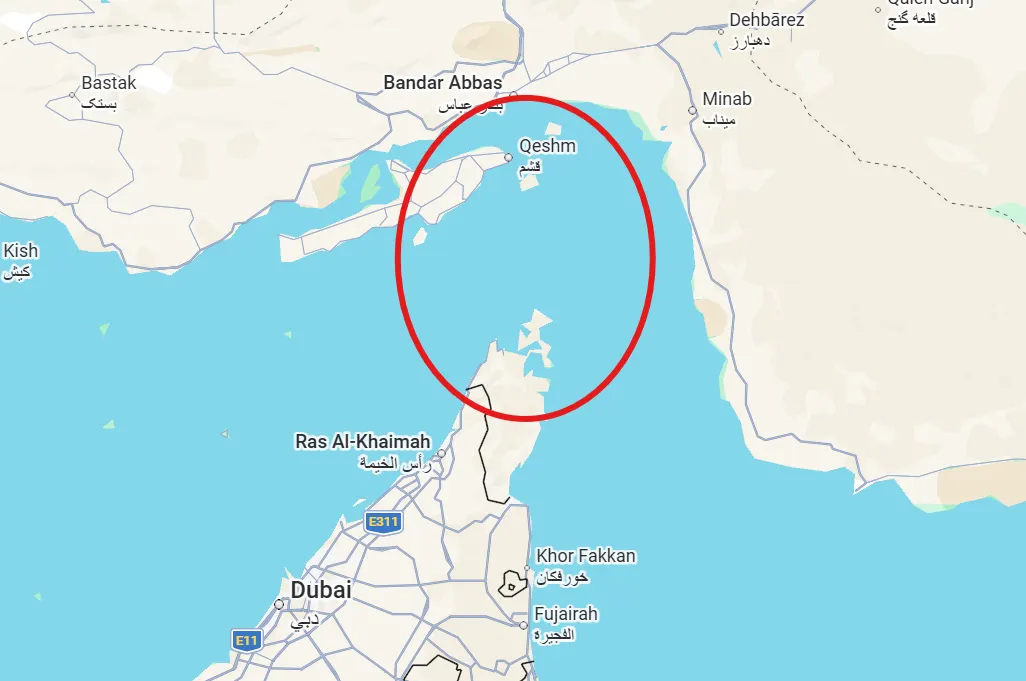
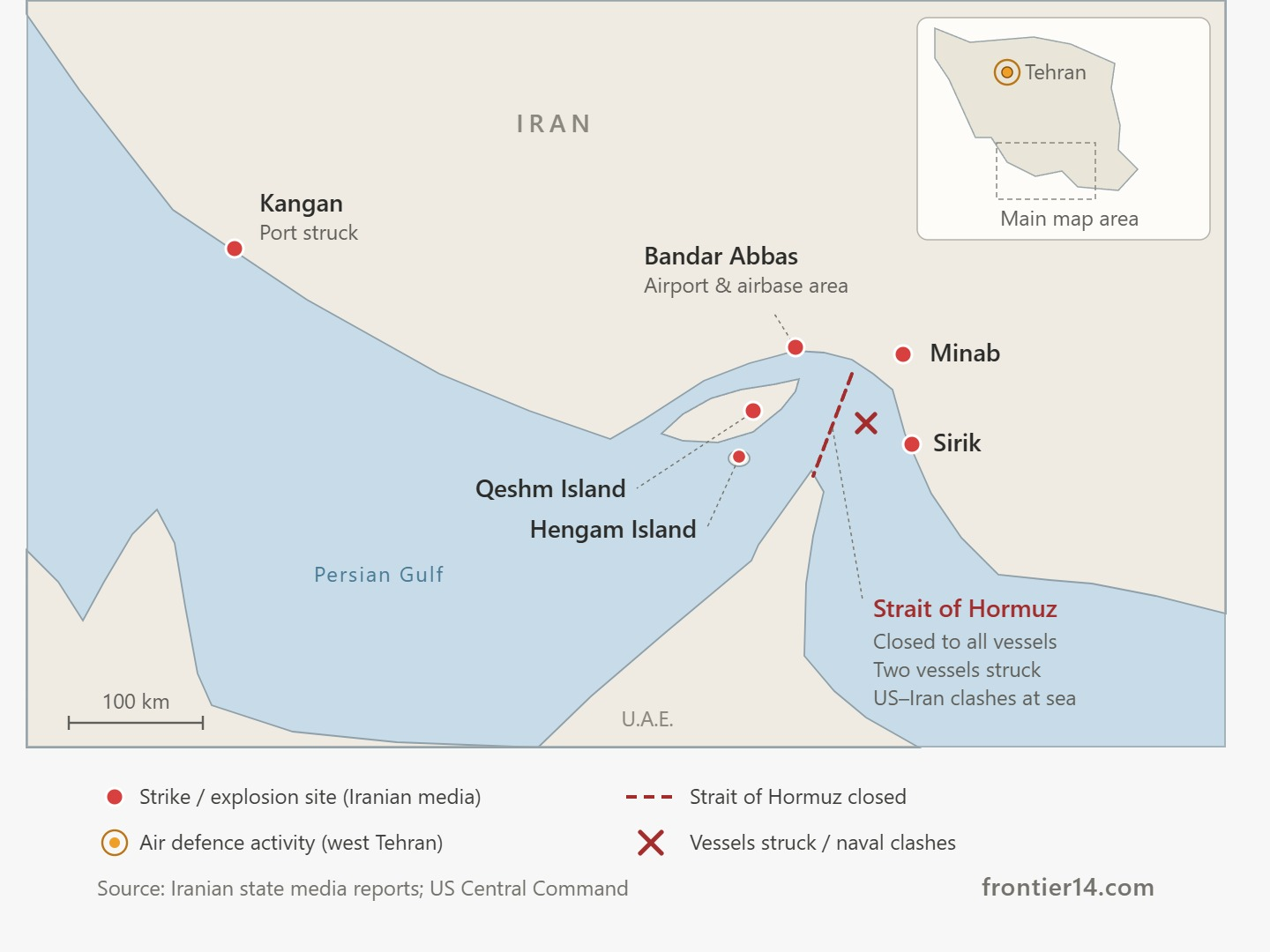
By early Thursday, Iranian military command had announced the full closure of the Strait of Hormuz, the chokepoint through which a fifth of the world's oil flowed before the war began in February. All vessels, including tankers and commercial ships, were ordered to stay at anchor, with Tehran warning that any ship attempting passage would be fired upon. Iran's Revolutionary Guard navy said two vessels had already been struck.
Why now?
President Trump is pushing Tehran toward a deal: extend the ceasefire, reopen the strait, and start nuclear talks. Frustrated by what he called Iran's slowness to negotiate and citing the downing of a US helicopter on Tuesday, which Iran's foreign minister suggested was accidental, Trump said Iran would "have to pay the price."
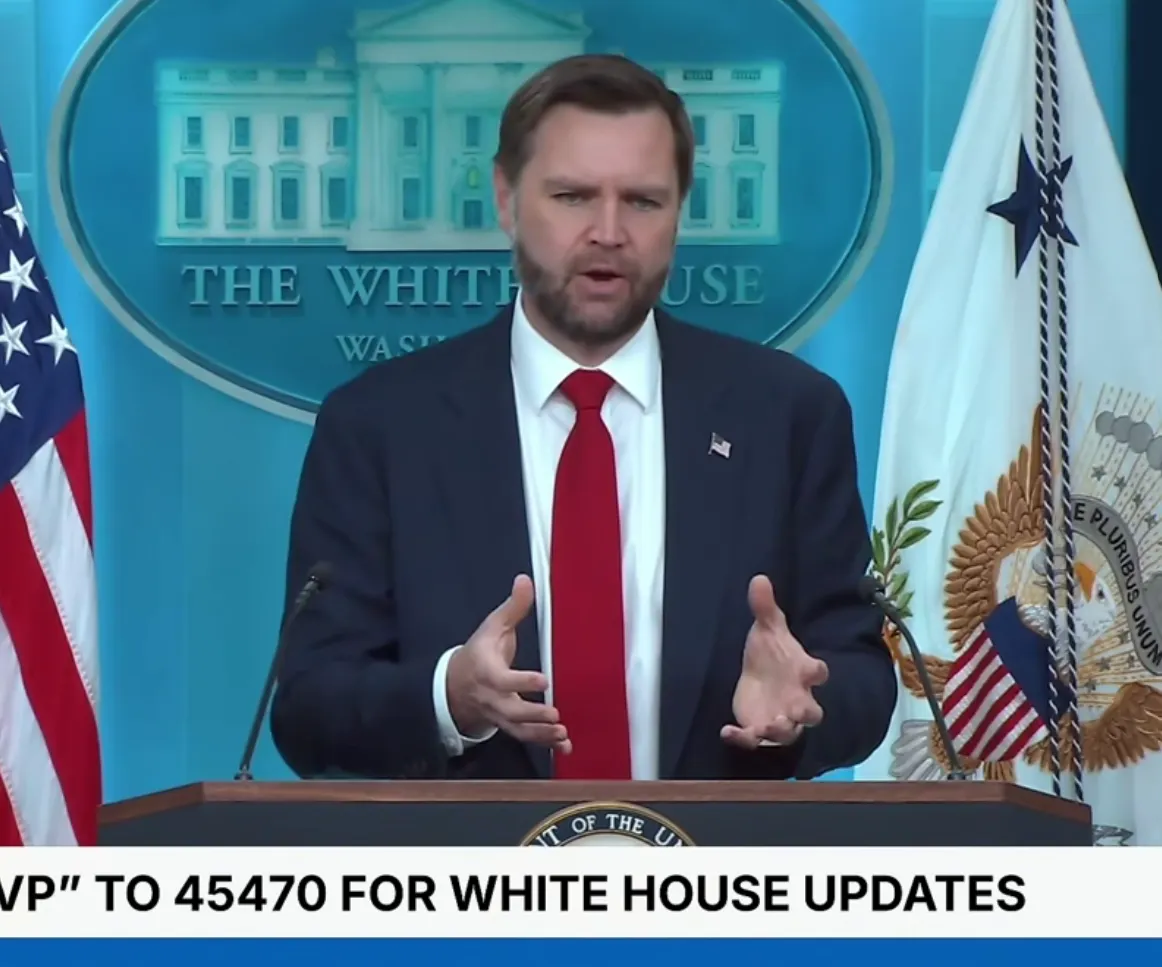
Defence Secretary Pete Hegseth was blunt about the strategy, framing the strikes as leverage rather than the start of a new war, and saying the US was prepared to negotiate with bombs if necessary.
Late Wednesday, Trump told Fox News he had spoken directly with Iranian officials, who asked him to halt the bombing. He said strikes would stop shortly, whilst also keeping the option of more on the table.
Mapping ground activity
Iranian media reported explosions across the south of the country: Bandar Abbas near its airport and airbase, the port of Kangan, Qeshm, Hengam, Sirik and Minab, plus air-defence activity over western Tehran and clashes at sea between Iranian and US forces. Tehran has vowed to hit new American targets if attacked again.
Markets on edge
Oil prices jumped on the news- Brent crude rose 2% to around $95 a barrel, with WTI up 2.5% to about $92.60. That's well below the $126 peak Brent hit when the strait first closed, as Chinese import cuts and emergency stockpile releases have eased pressure. Analysts warn the relief may be temporary: Rystad Energy says renewed full-scale hostilities could push prices toward $150, while RBC's Helima Croft suggests the softer oil market may itself be emboldening the White House to pursue tougher demands.
Mediators from Qatar and Pakistan are still working the phones- a Qatari delegation visited Tehran on Wednesday. However, deep mutual distrust has so far kept a deal out of reach. As Rystad's Jorge León put it, the next few days will determine whether diplomacy recovers or the conflict slides into a sustained escalation cycle.