Table of Contents
The most important number in Ukraine's air war is the one Russia would rather you didn't notice: roughly two-thirds.
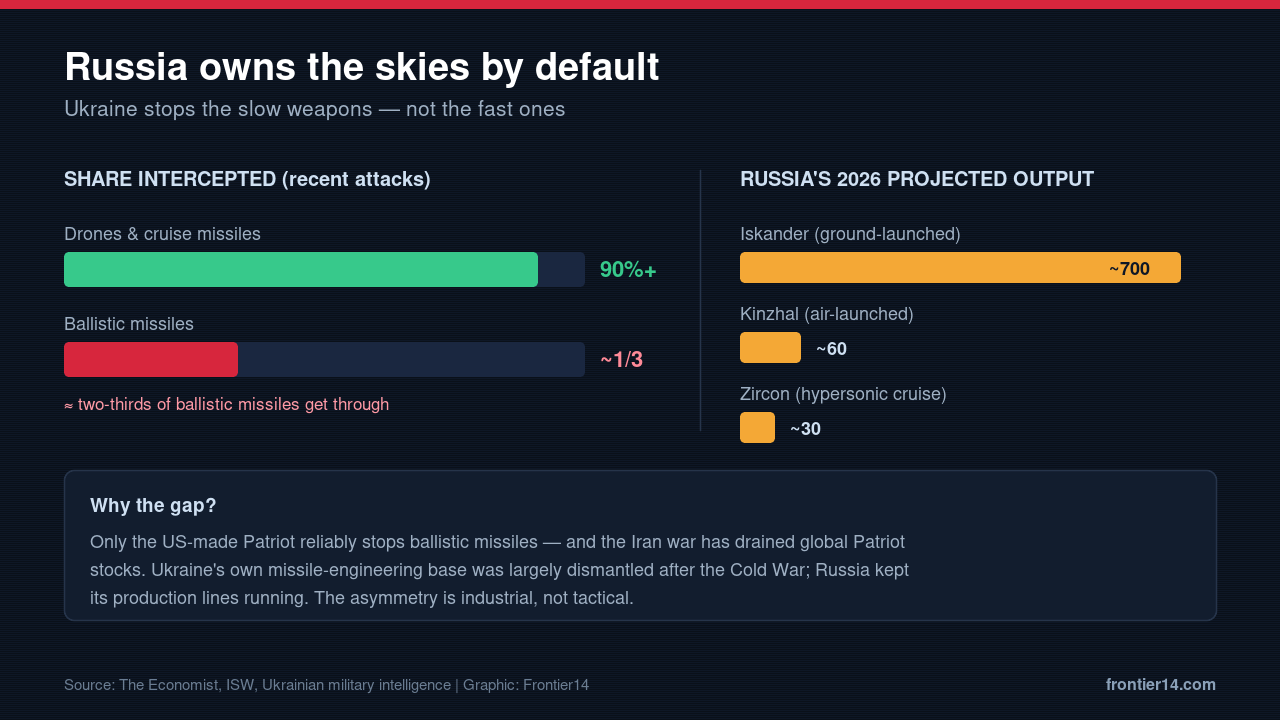
That is the share of ballistic missiles now getting through Ukraine's defences in the heaviest recent attacks, according to The Economist. Against drones and cruise missiles, Ukraine still intercepts more than 90% on an average night. Against ballistics, which fly far faster, it is losing. And the reason is not tactical. It is industrial.
Why Russia dominates by default
Ukraine's missile-engineering base was largely dismantled after the Soviet collapse, at Russia's and America's urging. Russia kept its designs and its production lines running. The result, three decades later, is a structural asymmetry that no amount of battlefield ingenuity has closed.
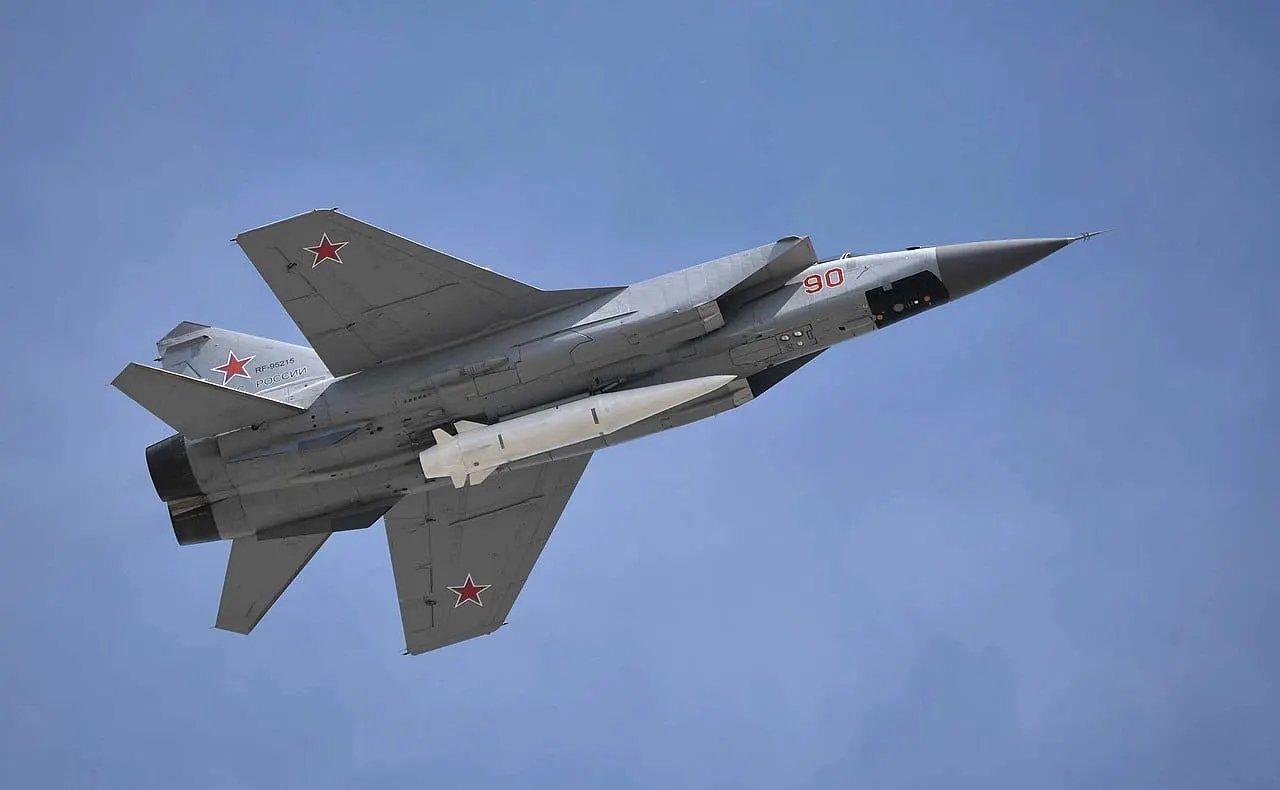
The output figures tell the story. Ukrainian military intelligence estimates Russia will produce around 700 Iskander ground-launched ballistic missiles this year, alongside roughly 60 air-launched Kinzhal aeroballistic missiles and 30 Zircon hypersonic cruise missiles. Combined attacks on Kyiv have held steady at about one a week, but the ballistic and Zircon share of that mix is growing, precisely because those are the weapons Ukraine cannot reliably stop.
The 14–15 June attack on Kyiv showed what that means on the ground: 611 drones and 70 missiles, a direct strike on the UNESCO-listed Pechersk Lavra monastery, eight residential blocks hit, and a deliberate "double-tap" strike in Kharkiv that killed at least five emergency workers. May was the deadliest month for Ukrainian civilians since 2022.
The Patriot problem and the Iran war's hidden cost
Of everything in Ukraine's arsenal, only the US-made Patriot reliably intercepts ballistic missiles. Ukraine has become extraordinarily good at using it, firing and relocating launchers before Russia can find them, running batteries on fewer launchers, even "ambushing" Russian aircraft that thought they were out of range. The Pentagon has assigned a team to study how they do it.
But skill cannot manufacture interceptors. And here the reviewed material exposes a direct line between the two wars in this folder. Since the Iran war began, The Economist reports, the US and its Gulf allies have burned through Patriot stocks "at a dizzying rate," deepening an already acute global shortage. New production lines are years from meaningful output. Every interceptor fired over the Gulf is one not available over Kyiv.
Russia's own supply is not limitless either. ISW, citing Ukrainian officials via CBS News, reported a shortage of S-300 interceptor missiles, with insufficient guidance seekers and control modules. The air war is, on both sides, increasingly a war of dwindling magazines.
Ukraine's two answers
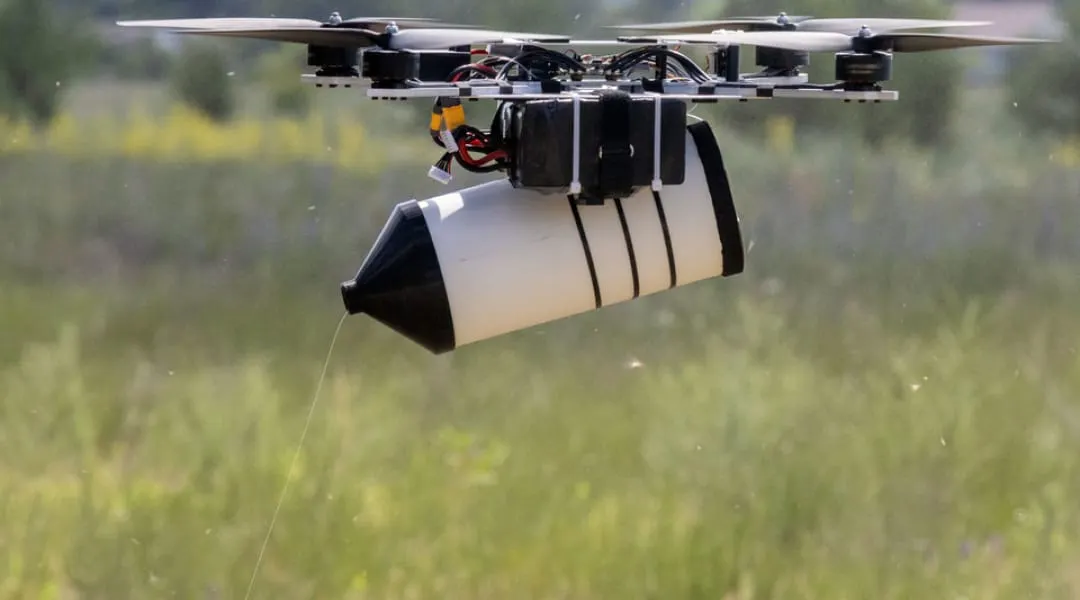
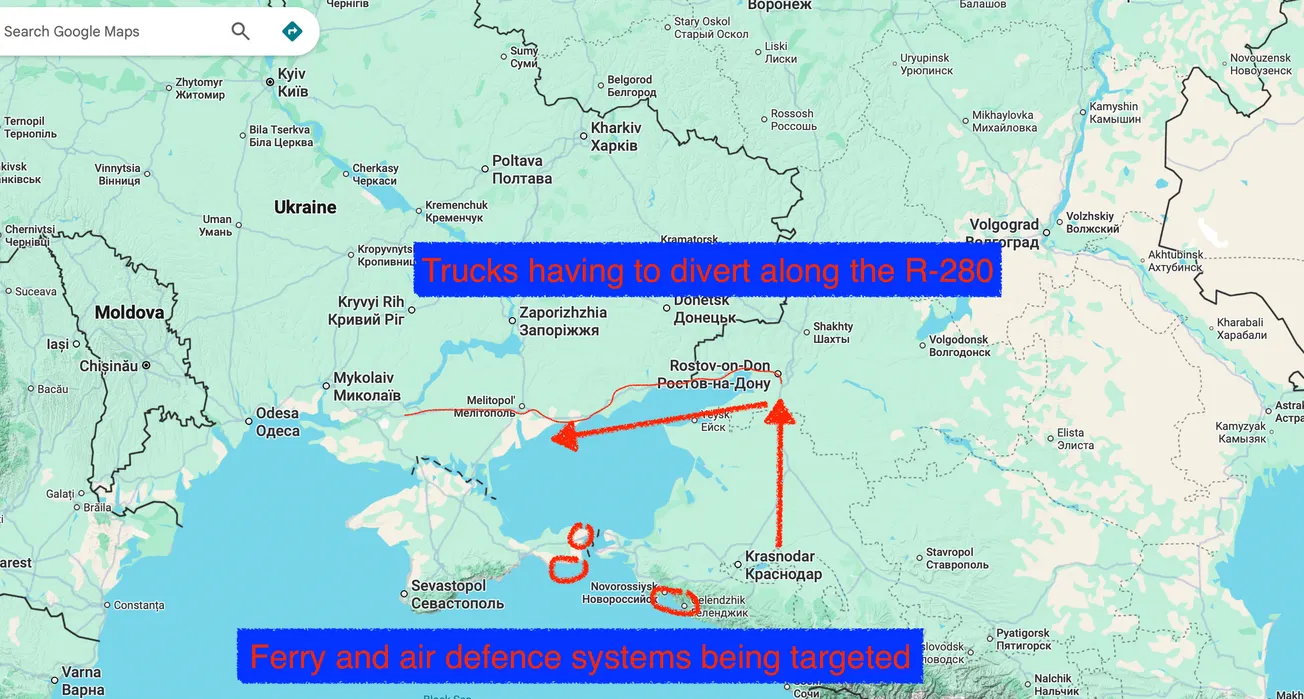
Ukraine is responding on two tracks. The first is asymmetric and already working: mass drone and cruise-missile raids deep into Russia. These are wildly inefficient, with success rates running from 2% to 35%, and mainly the fastest weapons, over 350kph, getting through. But the volume produces results. Ukraine hit St Petersburg's port during Vladimir Putin's flagship economic forum in early June, struck the Moscow Oil Refinery twice in mid-June, and, per The Economist's 21 June brief, forced a halt to petrol sales in occupied Crimea after strikes on military logistics, oil facilities and air defences.
The second track is the harder one: building its own ballistic missiles. Two are in testing. The Sapsan/Hrim-2, from the Soviet-era rocket house Pivdenmash, has been in development for decades but dogged by corruption and Russian infiltration. The FP-7, a smaller, shorter-range project from the start-up Fire Point, marries Western avionics to an existing Soviet airframe and is probably closer to serial production.
This is where careful wording matters. President Volodymyr Zelensky has said Ukraine is "very close" to bringing the ballistic war to the Kremlin. Industry figures cited by The Economist are markedly more sober. "The best we can hope for is an ersatz missile," one said, something cobbled from Western spare parts. A senior official played down any prospect of a Russian-style "missile conveyor belt" soon. As one former navy deputy chief of staff put it: "You can't make spades today and rockets tomorrow." Frontier14's reading of the available evidence is that Ukraine's ballistic ambition is real but years, not months, from changing the strategic balance.
Why this matters
The air war is where Russia retains genuine escalation dominance, even as its ground offensive stalls, as shown in Frontier14's companion analysis on the stalled offensive. Its aims are explicitly psychological as much as military: break civilian morale, and erode allies' confidence that Ukraine can be defended. In late May Russia's foreign ministry even urged diplomats to leave Kyiv. So far none have.
The near-term risk runs the wrong way for Ukraine. A new generation of jet-powered Shahed drones, built with Chinese engines, is expected to make up 80% of the fleet from October, too fast for Ukraine's current interceptor drones. If Russia pairs that with its growing ballistic edge, the pressure on Ukraine's cities intensifies just as Patriot stocks are stretched thinnest.
What comes next
The question is no longer whether Ukraine can hold the line in the air, it largely can, against everything except ballistics, but whether it can close the ballistic gap before Russia widens it. If Ukraine reaches reliable serial production of missiles that beat Russian defences, it could hold Russia's military industry and logistics at risk and impose a cost on the indiscriminate bombing of cities. If it cannot, the air war stays exactly what it is now: a contest Russia wins by default, one interceptor shortage at a time.