Table of Contents
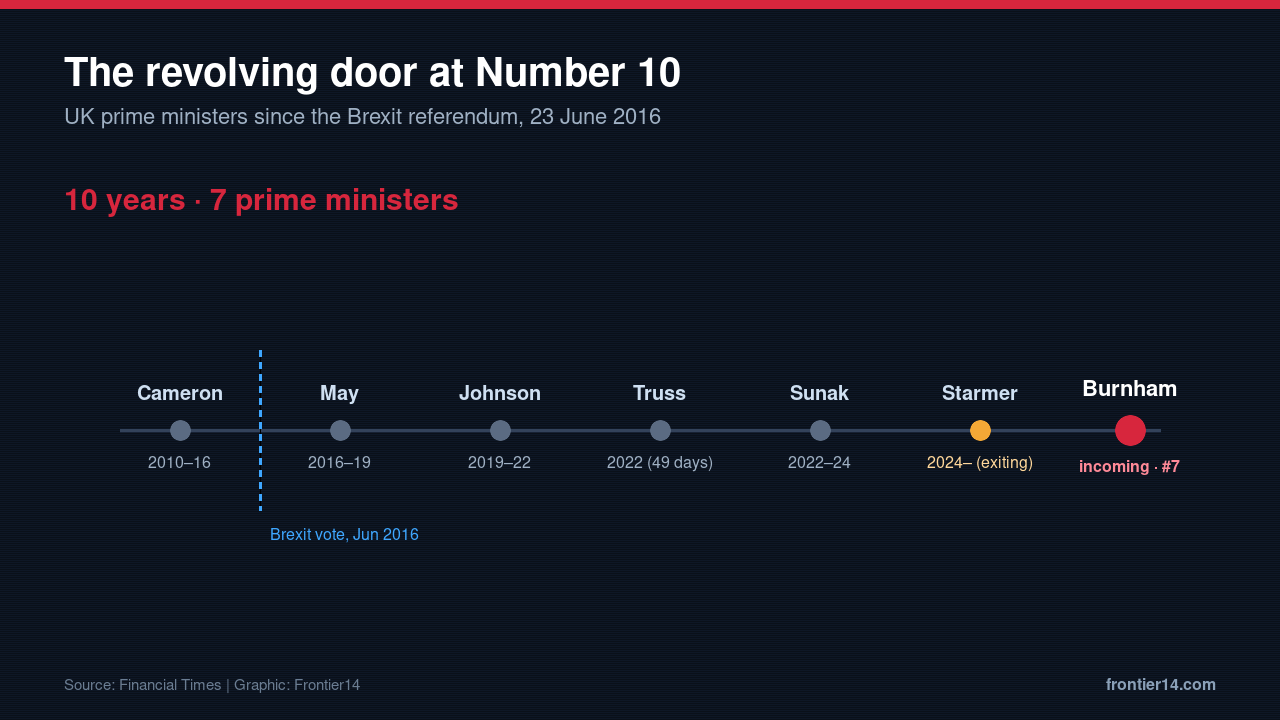
Britain is about to change prime minister for the seventh time in the decade since it voted to leave the European Union. That fact alone, Cameron, May, Johnson, Truss, Sunak, Starmer, and now, most likely, Burnham, is the real story. The churn has become the system.
Sir Keir Starmer, who won a landslide barely two years ago, is on the brink of resigning, according to his own allies. After an "agonising weekend" consulting ministers, friends and family, colleagues expect him to agree to an "orderly" transition, with an announcement possible as early as Monday, ahead of a planned Commons statement on the G7 summit in France.
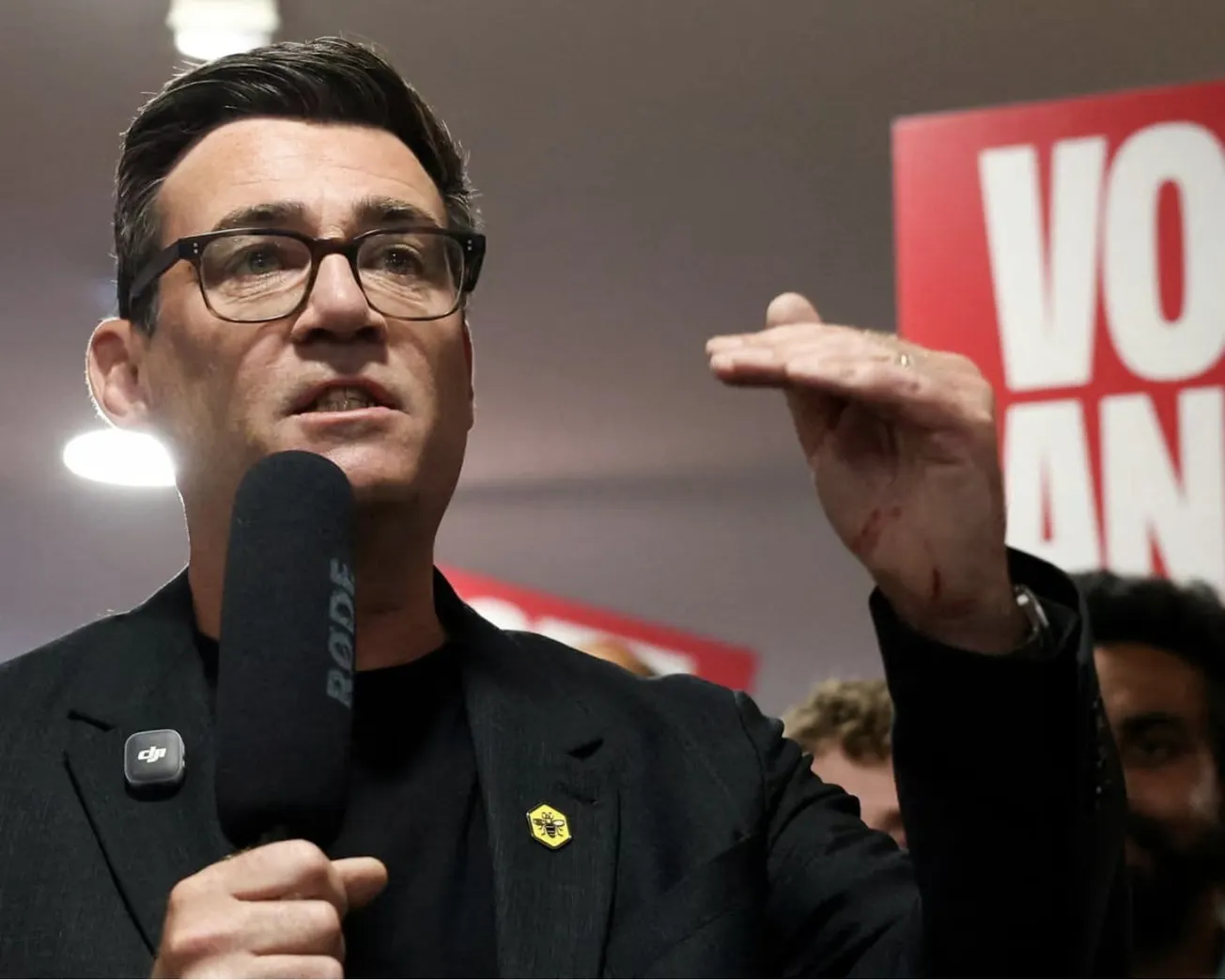
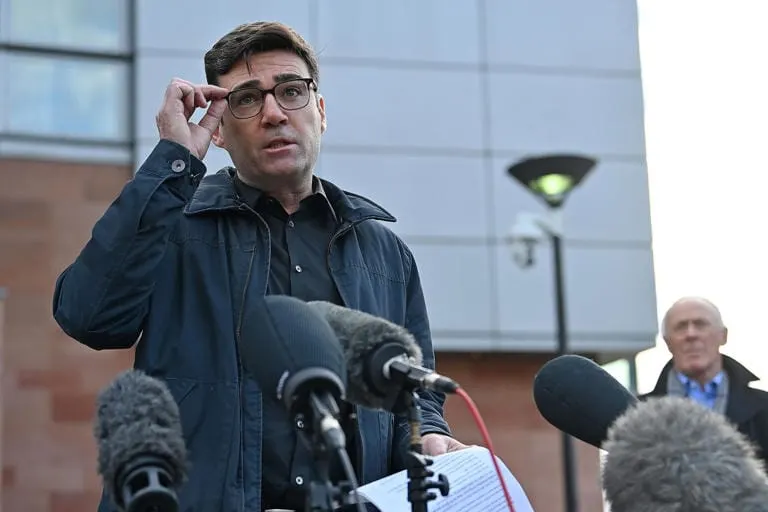
The trigger was a by-election. Andy Burnham's victory in Makerfield on Thursday gave the Greater Manchester mayor a seat in Parliament and a platform from which to challenge for the leadership.
The revolt is already in the open
What makes Starmer's position look terminal is the breadth of the cabinet pressure. Foreign secretary Yvette Cooper, home secretary Shabana Mahmood and energy secretary Ed Miliband have all urged him to set a departure date. Chief whip Jonathan Reynolds warned that support among Labour MPs was draining away; Scotland secretary Douglas Alexander told him to go. Even arch-loyalist business secretary Peter Kyle would not say whether Starmer would fight on, talking instead of the PM weighing "what putting country first means at a moment like this."
The arithmetic is brutal. More than 100 Labour MPs, a quarter of the parliamentary party, have called for Starmer to resign. Of 403 Labour MPs, 163 hold government jobs and would have to quit to do so publicly; many on that "payroll vote" privately want him gone. Ministers believe he will name an exit date on Monday precisely to avoid mass resignations at Tuesday's cabinet meeting. "If he hasn't said he is going by then," one minister said, "let's see who turns up."
One option being floated would let Starmer stay through the summer, hand over at Labour's Liverpool conference, and lead a UK-EU summit in Brussels on 22 July, allowing him to leave claiming he put Britain back on a path to closer ties with the bloc, ten years on from the referendum.
Why it matters: this is a markets story as much as a politics one
The most revealing detail in the reviewed material is not about votes. It is about gilts.
Burnham has quietly brought in Richard Hughes, the former chair of the Office for Budget Responsibility, to advise him on how his policies might be read by the markets and the fiscal watchdog should he reach Number 10. A Burnham spokesman confirmed the appointment. Hughes resigned from the OBR in December after it accidentally published its Budget analysis before the chancellor had delivered it, an episode the watchdog's own probe called the "worst failure in its 15-year history." He is, nonetheless, well regarded by economists, and now advises the fund manager Taula Capital.
That hire is a tell. It signals both ambition, because Burnham is preparing to govern, and anxiety, because there is genuine nervousness in the City about what he would do with the public finances. Burnham has spent months trying to walk back a September remark that Britain needed to get "beyond this thing of being in hock to the bond markets." In May he committed to the government's fiscal rules, with his spokesman insisting "he has no plans to change them." Yet there is concern he could seek flexibility to accelerate billions into social housing. Ed Miliband, meanwhile, is being talked about as a potential chancellor.
The development points to a leadership transition that the markets will price before the party has even finished choosing.
The Burnham record his colleagues remember
Burnham has built a brand on his "King of the North" northernness, first as Manchester mayor, now as MP for Makerfield, campaigning on the slogan "Andy for Us." For the two-thirds of Labour MPs who arrived after he left Westminster in 2017, he is largely an unknown. His earlier 16-year Westminster career fills in the gaps, and the picture is mixed.
The warm verdict: charm, empathy, political antenna, and a capacity to fight. Supporters point to his drive as culture secretary to reopen scrutiny of the Hillsborough disaster, and his attempt as health secretary to build a national care service, an idea ahead of its time, killed when the Conservatives branded it a "death tax."
The colder verdict is more pointed, and it speaks directly to the markets question. As chief secretary to the Treasury under Gordon Brown, one former cabinet colleague told the FT, Burnham was "completely useless" because he struggled to say "no" to colleagues demanding money. "He's a people pleaser... very effective at saying what people want to hear, but there was never any question of Andy saying or doing anything difficult." Bond traders have voiced similar concerns. Another remembered "disorganisation, an inability to make decisions, particularly difficult decisions."
Then there is loyalty. When moderate shadow ministers resigned en masse to try to topple Jeremy Corbyn after the 2016 Brexit vote, Burnham, then shadow home secretary, with Starmer working under him, was the only high-profile moderate who stayed. Critics call it absence from the battlefield; allies call it refusing to plunge Labour into civil war. Several accounts suggest he had one eye on the Manchester mayoralty and the membership he would need to win it. Starmer's own view, per a Number 10 insider, is blunt: he "thinks he's better than Andy."
What comes next
The mechanics are taking shape. Burnham travels to Westminster on Monday to take his seat. Wes Streeting has said he would contest the leadership, though some supporters expect him to cut a deal and stand aside for a senior cabinet job. Burnham has proposed Starmer stay on briefly for a smooth handover.
The wider picture, based on the reports reviewed, is of a governing party reaching for its most popular communicator at a moment of fiscal fragility, and getting, in the same package, a politician whose defining weakness, by his colleagues' own account, is a reluctance to deliver hard news. Britain's post-Brexit instability has produced six prime ministers in ten years. The question now is not whether Burnham can win the leadership, but whether a self-described people-pleaser can do the one thing the markets, and the moment, will demand of him: say no.