Table of Contents
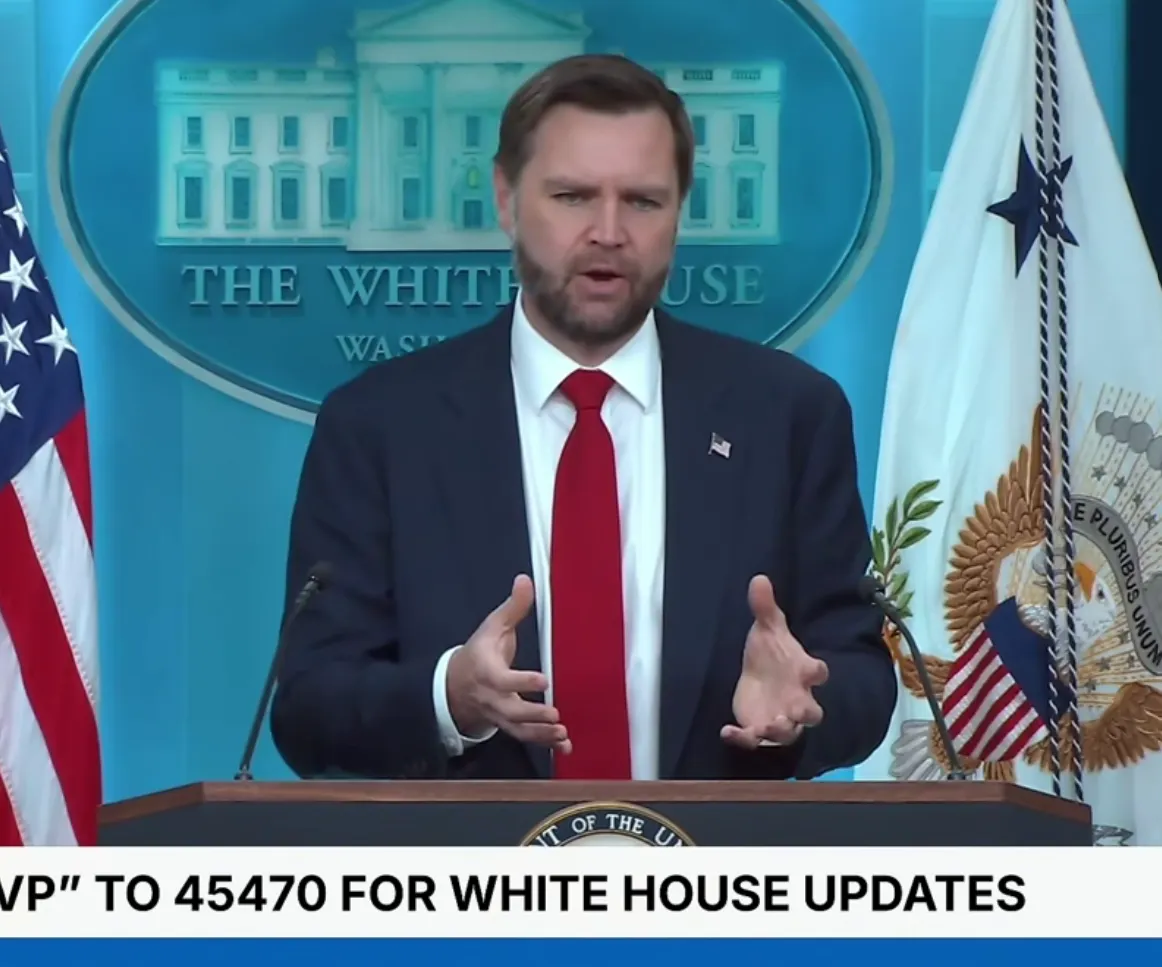
JD Vance has warned Israel’s government to stop attacking Donald Trump’s preliminary deal with Iran, in a sharp public rebuke that exposes growing tension between Washington and Tel Aviv.
The US vice-president said criticism from members of Benjamin Netanyahu’s cabinet had gone too far, particularly after Israeli ministers personally attacked Trump over the agreement.
“This does bother me,” Vance said, arguing that Israel should remember how dependent it remains on US support.
He pointed out that America remains one of Israel’s few major allies with global influence, and that much of the weaponry protecting Israel has been supplied by Washington.
“Anybody in Israel who thinks their biggest problem is the president of the United States needs to wake up and smell the reality,” Vance said.
The warning was aimed at Netanyahu’s far-right coalition partners, including Itamar Ben-Gvir and Bezalel Smotrich, who have criticised the deal as a concession to Tehran.
Vance said Israel could not simply “kill your way out” of every national security problem, adding that all sides now needed to respect the peace process.
The agreement, signed by Trump and Iranian President Masoud Pezeshkian, calls for the immediate and permanent end of military operations on all fronts, including Lebanon.
That puts direct pressure on Israel, which has continued strikes in Lebanon against Hezbollah despite US efforts to hold the wider ceasefire together.
Trump also appeared to criticise Netanyahu directly, saying Israel should use “a little softer touch” in Lebanon and not “knock down a building every time” someone from Hezbollah enters it.
Yet the situation still appears far from settled. The White House has now confirmed that Vance will not leave for Switzerland tonight for technical talks with Iran, saying the US delegation is ready to depart “at the first available opportunity” but that the logistics of negotiations with Tehran are “never simple or predictable”.
That delay seems strange given the public confidence around the agreement, and suggests there may still be serious complications behind the scenes.
In sum, the message from Washington is that Israel can be unhappy with the deal but cannot openly undermine the president who is still supplying its war effort.