Table of Contents
Battle of Stalingrad (1942–1943)
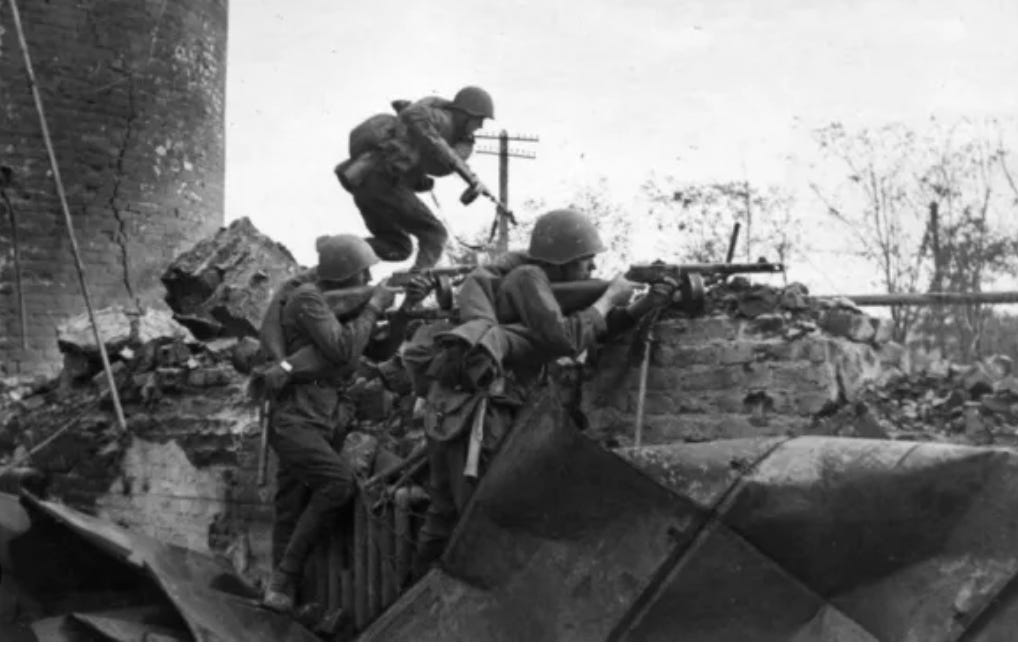
Context: Fought during World War II on the Eastern Front, Stalingrad (modern-day Volgograd, Russia) was a brutal urban battle between Nazi Germany, under Adolf Hitler, and the Soviet Union, under Joseph Stalin. Germany aimed to capture the city, a key industrial and symbolic target, to secure the Volga River and oil fields in the Caucasus. The battle pitted approximately 1 million German and Axis troops against 1.2 million Soviet defenders.
- Key Events: The Germans launched Operation Blue in June 1942, advancing deep into Soviet territory. By September, they entered Stalingrad, engaging in ferocious street-by-street fighting. Soviet defenders, bolstered by civilians, held key positions despite massive losses. In November 1942, Soviet General Georgy Zhukov executed Operation Uranus, a massive counteroffensive that encircled the German Sixth Army. Trapped and unable to break out, the Germans endured starvation and freezing conditions until their surrender in February 1943.
- Outcome: Soviet victory, with catastrophic losses: approximately 2 million total casualties (800,000–1 million Soviet, 750,000–1 million Axis). The German Sixth Army was destroyed, with 91,000 prisoners taken. This marked the turning point of the war in Europe.
- Immediate Impact: The defeat shattered German morale and halted their eastern advance, shifting momentum to the Soviets, who began a relentless push toward Berlin. The loss weakened Hitler’s strategic position, forcing a defensive posture.
- Long-term Significance:
- Geopolitical Impact: Stalingrad paved the way for Allied victory in World War II, shaping the post-war world. The Soviet Union emerged as a superpower, leading to the Cold War’s bipolar structure.
- Military Legacy: The battle demonstrated the effectiveness of urban warfare, attrition, and large-scale encirclement, influencing modern military strategy. It highlighted the importance of logistics and resilience.
- Cultural and Political Effects: The victory bolstered Soviet propaganda, cementing Stalin’s regime and fostering a sense of national unity. It became a symbol of resistance, commemorated in Soviet and Russian culture.
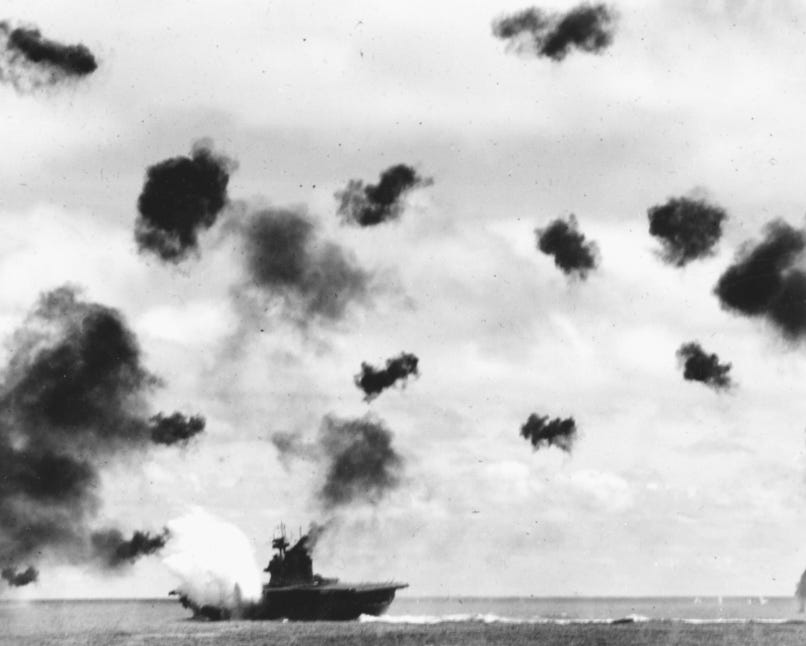
- Context: Fought in the Pacific Theater of World War II, the Battle of Midway (June 4–7, 1942) was a naval clash between the United States and Imperial Japan, six months after Pearl Harbor. Japan, under Admiral Isoroku Yamamoto, aimed to lure the U.S. Pacific Fleet into a trap and seize Midway Atoll, a strategic outpost, to extend Japan’s defensive perimeter. The U.S., under Admirals Chester Nimitz, Frank Jack Fletcher, and Raymond Spruance, leveraged decrypted Japanese communications to prepare an ambush.
- Key Events: Japan deployed four aircraft carriers (Akagi, Kaga, Soryu, Hiryu) against the U.S.’s three (Enterprise, Hornet, Yorktown). On June 4, U.S. dive bombers, exploiting a critical moment when Japanese carriers were rearming, sank three Japanese carriers in minutes. Hiryu was sunk later that day after damaging Yorktown, which was later abandoned. Japan’s remaining forces retreated, unable to sustain the offensive.
- Outcome: Decisive U.S. victory. Japan lost four carriers, 248 aircraft, and over 3,000 personnel; the U.S. lost Yorktown, 150 aircraft, and 307 personnel. Japan’s naval air power was crippled, halting its Pacific expansion.
- Immediate Impact: Midway shifted the initiative to the Allies in the Pacific, enabling offensives like Guadalcanal. Japan’s loss of experienced pilots and carriers was irreplaceable, weakening its navy for the rest of the war.
- Long-term Significance:
- Geopolitical Impact: The battle ensured U.S. dominance in the Pacific, paving the way for Japan’s defeat in 1945. It solidified the U.S. as a global naval power, shaping post-war Asia-Pacific dynamics.
- Military Innovation: Midway highlighted the centrality of aircraft carriers and naval aviation, redefining modern naval warfare. Intelligence (codebreaking) proved decisive, setting a precedent for information warfare.
- Global Influence: By securing the Pacific, the U.S. could focus resources on Europe, accelerating the Allied victory in World War II. The battle also influenced the post-war rise of American global influence.
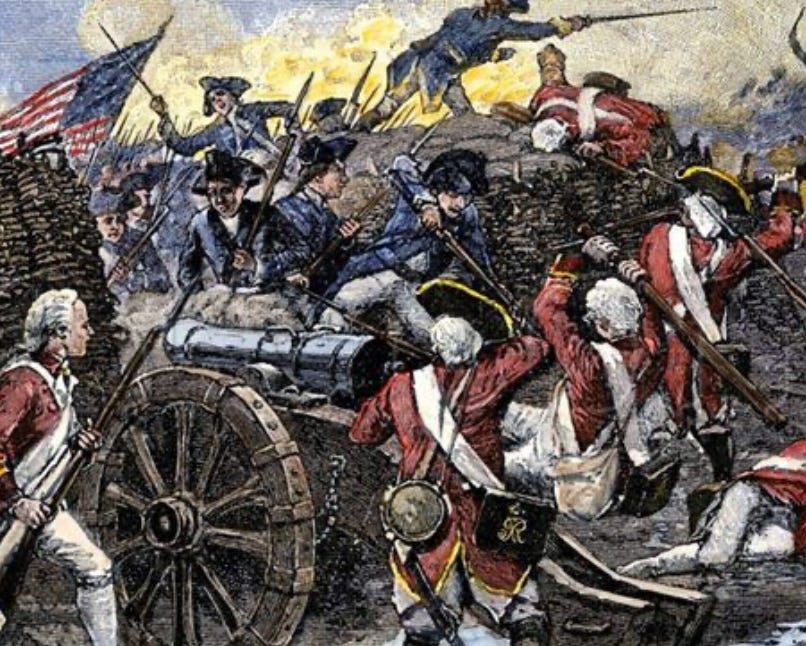
- Context: The culminating battle of the American Revolutionary War, fought in Virginia from September to October 1781. American forces, led by General George Washington, and French allies, under Comte de Rochambeau, besieged British General Charles Cornwallis’s army. The French navy, under Admiral de Grasse, secured Chesapeake Bay, preventing British reinforcements or evacuation.
- Key Events: Washington and Rochambeau marched 700 miles from New York to trap Cornwallis’s 9,000 troops. French naval victories at the Battle of the Chesapeake (September 5) cut off British supply lines. Allied artillery bombarded British defenses, while sappers dug trenches to close in. On October 19, 1781, Cornwallis surrendered after failed breakout attempts.
- Outcome: Allied victory, with 8,000 British troops captured. Total casualties were light: ~500 Allied, ~600 British. The surrender effectively ended major combat in North America, leading to peace negotiations.
- Immediate Impact: The British government, facing political pressure and financial strain, began negotiations, resulting in the Treaty of Paris (1783), which recognized American independence. The victory galvanized American morale and solidified the Franco-American alliance.
- Long-term Significance:
- Political Transformation: Yorktown birthed the United States, a nation that became a global superpower, spreading democratic ideals and influencing governance worldwide.
- Global Influence: The battle weakened British colonial power, inspiring independence movements in Latin America, Ireland, and beyond. It shifted the balance of power in the Atlantic, elevating France and Spain temporarily.
- Cultural Legacy: The American Revolution’s ideals—liberty, self-governance—shaped modern political thought, influencing the French Revolution and global democratic movements.
Why It Ranks: Yorktown’s creation of a nation that reshaped global politics, economics, and ideology ensures its place among history’s most impactful battles.
Why It Ranks: Midway’s decisive role in shifting World War II’s Pacific Theater and its impact on modern naval strategy and U.S. superpower status make it a cornerstone of 20th-century history. Its inclusion over Cannae reflects its broader global impact in a modern context
Battle of Yorktown (1781 CE)
Why It Ranks: Stalingrad’s role as the decisive turning point in the largest war in history, coupled with its impact on the global balance of power, makes it one of the most consequential battles ever fought
Battle of Midway (1942 CE)
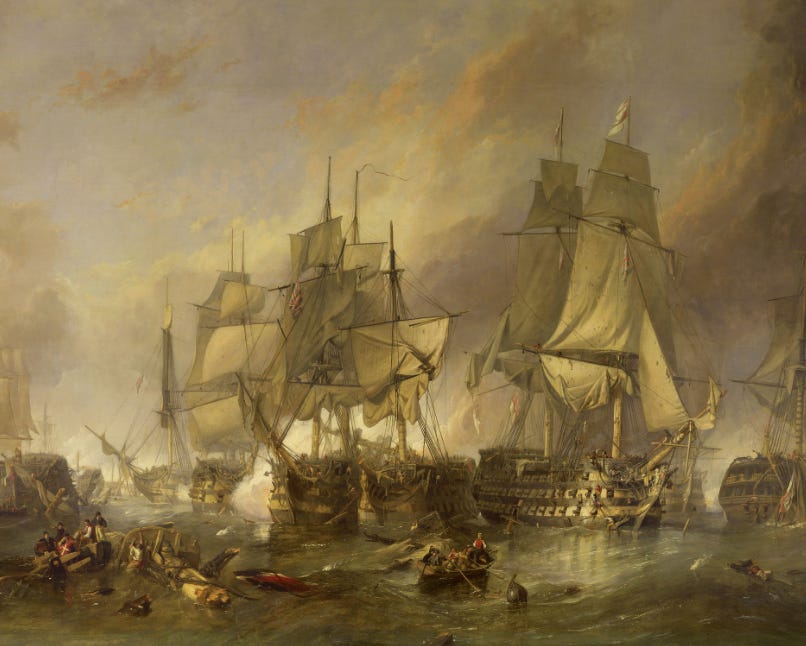
4. Battle of Trafalgar (1805 CE)
- Context: Fought during the Napoleonic Wars off Spain’s Cape Trafalgar, this naval battle pitted Britain’s Royal Navy, under Admiral Horatio Nelson, against a combined French-Spanish fleet led by Admiral Pierre-Charles Villeneuve. Napoleon sought to invade Britain, requiring control of the English Channel.
- Key Events: Nelson’s 27 ships faced 33 enemy vessels. He employed an unconventional tactic, splitting his fleet into two columns to pierce the enemy line, disrupting their formation. Despite Nelson’s death by sniper fire, British ships outmaneuvered and outgunned their opponents, capturing or destroying 22 enemy ships without losing any British vessels.
- Outcome: Decisive British victory, with ~1,700 British casualties (including Nelson) vs. ~14,000 French-Spanish (killed, wounded, or captured). Britain secured naval supremacy for the 19th century.
- Immediate Impact: The victory thwarted Napoleon’s invasion plans, protecting Britain and allowing it to focus on global expansion. The French and Spanish navies were crippled, limiting their colonial ambitions.
- Long-term Significance:
- Geopolitical Impact: Trafalgar enabled the British Empire’s global dominance, facilitating colonial expansion in Asia, Africa, and the Americas. It ensured Britain’s role as the world’s leading power until the 20th century.
- Naval Innovation: Nelson’s tactics redefined naval warfare, emphasizing aggressive maneuvering and decisive engagement. The battle cemented the importance of sea power in global strategy.
- Cultural Legacy: Nelson became a national hero, and Trafalgar Square in London commemorates the victory, embedding it in British identity.
- Context: The Ottoman Empire, under Grand Vizier Kara Mustafa, besieged Vienna, the capital of the Holy Roman Empire, aiming to extend Islamic rule into Central Europe. A coalition of Polish, Austrian, and German forces, led by King John III Sobieski of Poland, arrived to relieve the city.
- Key Events: The Ottomans besieged Vienna for two months, weakening its defenses with mines and artillery. On September 12, 1683, Sobieski launched a massive counterattack, including history’s largest cavalry charge by 18,000 Polish Winged Hussars. The charge broke Ottoman lines, leading to a rout and the capture of their camp.
- Outcome: Christian coalition victory, with ~15,000 Ottoman casualties vs. ~4,000 Allied. The Ottomans abandoned their siege, marking the end of their European expansion.
- Immediate Impact: Vienna’s salvation preserved Habsburg control of Central Europe. The Ottoman defeat led to Kara Mustafa’s execution and internal Ottoman instability.
- Long-term Significance:
- Geopolitical Impact: The battle initiated the Ottoman Empire’s decline, enabling Habsburg expansion and shifting Europe’s balance of power. Subsequent wars pushed the Ottomans out of Hungary and the Balkans.
- Religious and Cultural Effects: The victory reinforced Christian unity against Islamic expansion, shaping Europe’s religious identity during the early modern era. It fostered a sense of European solidarity.
- Military Legacy: The Hussar charge demonstrated the power of shock cavalry, influencing cavalry tactics until the advent of modern warfare.
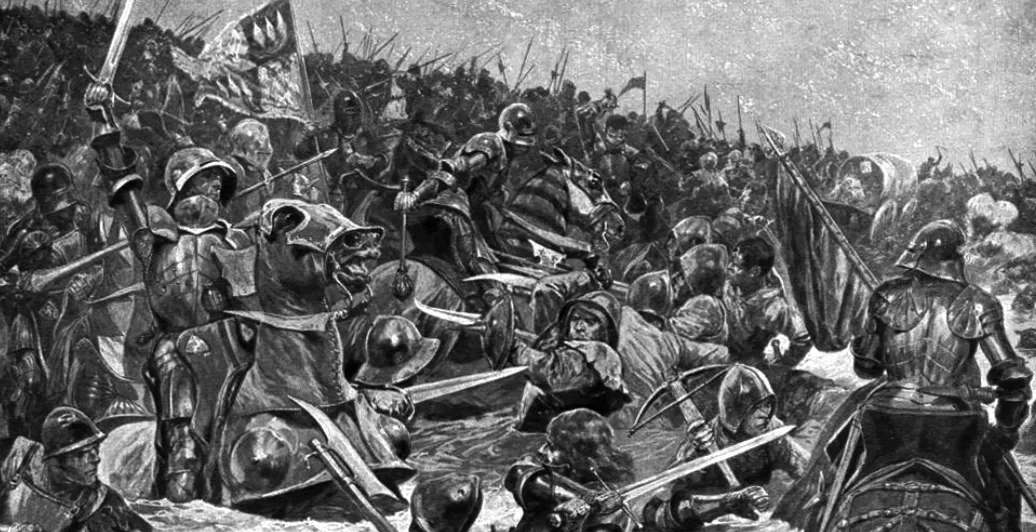
- Context: Following the death of England’s King Edward the Confessor, multiple claimants vied for the throne. William, Duke of Normandy, invaded England to challenge Anglo-Saxon King Harold II. The battle occurred on October 14, 1066, near Hastings, England.
- Key Events: William’s 7,000–8,000 Normans (infantry, cavalry, archers) faced Harold’s 7,000–10,000 Anglo-Saxon infantry, primarily using a shield-wall formation. Norman archers and feigned cavalry retreats disrupted the Saxon lines. Harold’s death (possibly by an arrow to the eye) led to the collapse of his army, allowing William to claim victory.
- Outcome: Norman victory, with thousands killed on both sides (exact numbers unclear). William was crowned king on Christmas Day 1066, initiating the Norman Conquest.
- Immediate Impact: The conquest replaced England’s Anglo-Saxon elite with Norman rulers, transforming land ownership and governance. William’s victory secured his claim, stabilizing his rule.
- Long-term Significance:
- Social and Political Transformation: The introduction of feudalism reshaped English society, with land redistributed to Norman lords. The Domesday Book (1086) documented this shift, creating a model for medieval administration.
- Cultural Impact: Norman French influenced the English language, enriching its vocabulary (e.g., “justice,” “parliament”). Norman architecture (e.g., stone castles, cathedrals) redefined England’s landscape.
- Global Influence: The conquest tied England to continental Europe, setting the stage for its later role as a global power. England’s legal and cultural traditions influenced the modern world.
- Context: The Umayyad Caliphate, expanding from Spain into Frankish Gaul, aimed to conquer Western Europe. Abdul Rahman Al Ghafiqi’s Muslim army (20,000–80,000, estimates vary) clashed with Charles Martel’s Frankish forces (~20,000) near Tours, France, in October 732.
- Key Events: Martel positioned his infantry in a defensive phalanx on high ground, absorbing repeated Umayyad cavalry charges. The Franks held firm, exploiting the Muslims’ overextension and possible distraction by looting. A Frankish flank attack killed Abdul Rahman, prompting a Muslim retreat.
- Outcome: Frankish victory, with significant Umayyad losses (possibly 10,000) and fewer Frankish casualties (numbers uncertain). The Muslim advance into Europe was halted.
- Immediate Impact: The victory stopped Umayyad expansion north of the Pyrenees, securing Frankish control of Gaul. It enhanced Martel’s reputation, laying the foundation for the Carolingian dynasty.
- Long-term Significance:
- Religious and Cultural Impact: Tours preserved Christian dominance in Western Europe, shaping its religious and cultural identity during the Middle Ages. It became a symbol of Christian resistance.
- Political Effects: The Carolingian rise led to Charlemagne’s empire, which unified much of Europe and influenced modern European states (e.g., France, Germany).
- Military Legacy: The battle demonstrated the effectiveness of disciplined infantry against cavalry, influencing medieval warfare and tactics.
- Context: The Roman Republic’s final civil war saw Octavian (later Augustus) confront Mark Antony and Cleopatra, queen of Ptolemaic Egypt, for control of Rome’s empire. The naval battle occurred on September 2, 31 BCE, in the Ionian Sea near Actium, Greece.
- Key Events: Octavian’s 400 ships, led by Agrippa, faced Antony’s 500 larger but less cohesive vessels, weakened by disease and defections. Agrippa’s maneuverable ships outflanked Antony’s line. Cleopatra’s squadron fled mid-battle, followed by Antony, leading to the surrender or destruction of their fleet.
- Outcome: Octavian’s victory led to Antony and Cleopatra’s suicides in 30 BCE and the annexation of Egypt. Octavian became Augustus, Rome’s first emperor.
- Immediate Impact: The battle ended the Roman Republic, consolidating power under Augustus. Egypt’s wealth and grain supplies strengthened Rome’s economy and military.
- Long-term Significance:
- Political Transformation: Actium birthed the Roman Empire, which dominated Europe, North Africa, and the Near East for centuries, spreading Roman law, engineering, and governance.
- Cultural Legacy: The Pax Romana under Augustus fostered stability, enabling advancements in literature (Virgil), architecture (Pantheon), and the spread of Christianity via Roman infrastructure.
- Naval Warfare: The battle underscored the importance of naval power, influencing Mediterranean strategy and imperial control.
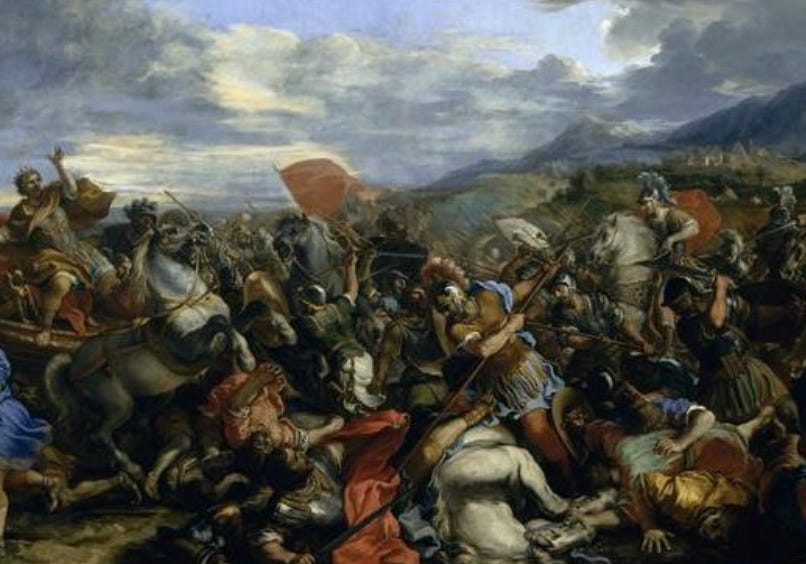
- Context: Alexander the Great’s conquest of the Achaemenid Persian Empire culminated at Gaugamela (modern-day northern Iraq) on October 1, 331 BCE. Alexander’s 47,000 Macedonians faced Darius III’s army, possibly 100,000 strong, including chariots, cavalry, and elite Immortals.
- Key Events: Alexander used an oblique formation, advancing diagonally to disrupt Persian lines. Feinting with his right wing, he drew Persian forces out, then led a decisive cavalry charge through a gap, targeting Darius. When Darius fled, the Persian army collapsed, pursued by Macedonian cavalry.
- Outcome: Macedonian victory, with Persian losses in the tens of thousands. Darius was later killed by his own men, and Alexander captured key cities (Babylon, Persepolis), ending the Achaemenid Empire.
- Immediate Impact: The victory made Alexander ruler of the largest empire of the time, stretching from Greece to India. It marked the rise of Macedonian hegemony and the decline of Persian power.
- Long-term Significance:
- Hellenistic Era: Gaugamela initiated the Hellenistic period, spreading Greek culture, language, and philosophy across Asia, Africa, and Europe. Cities like Alexandria became intellectual hubs.
- Military Innovation: Alexander’s combined arms tactics (infantry, cavalry, light troops) and psychological warfare influenced military leaders for centuries, from Hannibal to Napoleon.
- Geopolitical Legacy: The empire’s fragmentation after Alexander’s death led to successor states, shaping the Mediterranean and Near East until Rome’s rise.
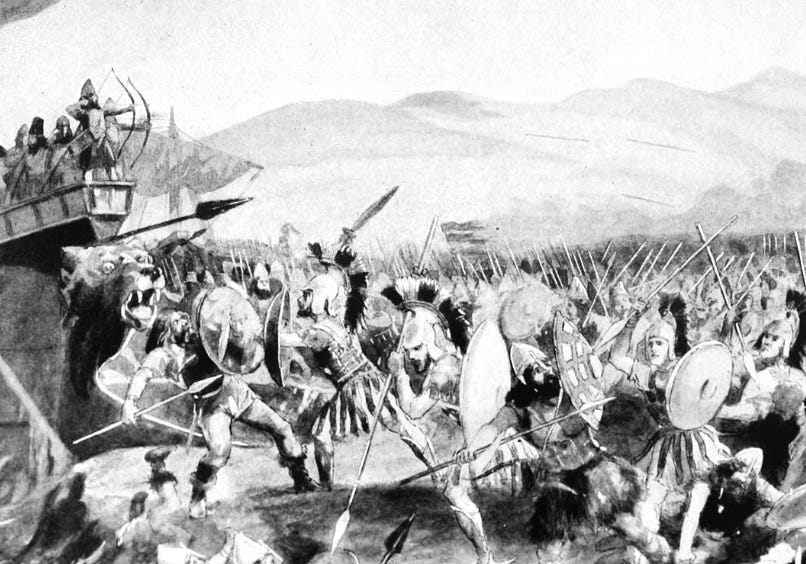
- Context: During the First Persian Invasion of Greece, King Darius I aimed to punish Athens for supporting Ionian rebellions. On the plain of Marathon, 26 miles from Athens, 10,000 Athenians and Plataeans faced a Persian force of 25,000–100,000 (estimates vary) in September 490 BCE.
- Key Events: Athenian general Miltiades strengthened his phalanx’s wings, thinning the center. The Greeks charged across open ground, surprising the Persians. The reinforced wings enveloped the Persian center, causing a rout. The Athenians then marched back to Athens to prevent a Persian naval landing, inspiring the legend of Pheidippides’ run.
- Outcome: Greek victory, with 192 Athenian deaths vs. ~6,400 Persians (per Herodotus). The Persians retreated, delaying their conquest of Greece.
- Immediate Impact: The victory boosted Greek confidence, establishing Athens as a leading power. It demonstrated the effectiveness of hoplite tactics and citizen-soldier armies against a larger imperial force.
- Long-term Significance:
- Cultural Preservation: Marathon preserved Athenian democracy, which influenced Western political thought, including concepts of citizenship and governance that underpin modern democracies.
- Strategic Legacy: The battle showcased disciplined infantry and tactical innovation, shaping ancient warfare.
- Global Influence: By halting Persian expansion, Marathon ensured the survival of Greek culture—philosophy (Plato), drama (Sophocles), and science—which became cornerstones of Western civilization. The modern marathon race commemorates this victory.
Why It Ranks: Marathon’s preservation of Greek independence and its cultural legacy make it a foundational battle for Western history
If you enjoyed this article consider subscribing for more just like it! Thank you.
Why It Ranks: Gaugamela’s role in creating the Hellenistic world, with its profound cultural and intellectual impact, makes it a foundational battle.
Battle of Marathon (490 BCE)
Why It Ranks: Actium’s creation of the Roman Empire, a cornerstone of Western civilization, ensures its place among history’s most transformative battles
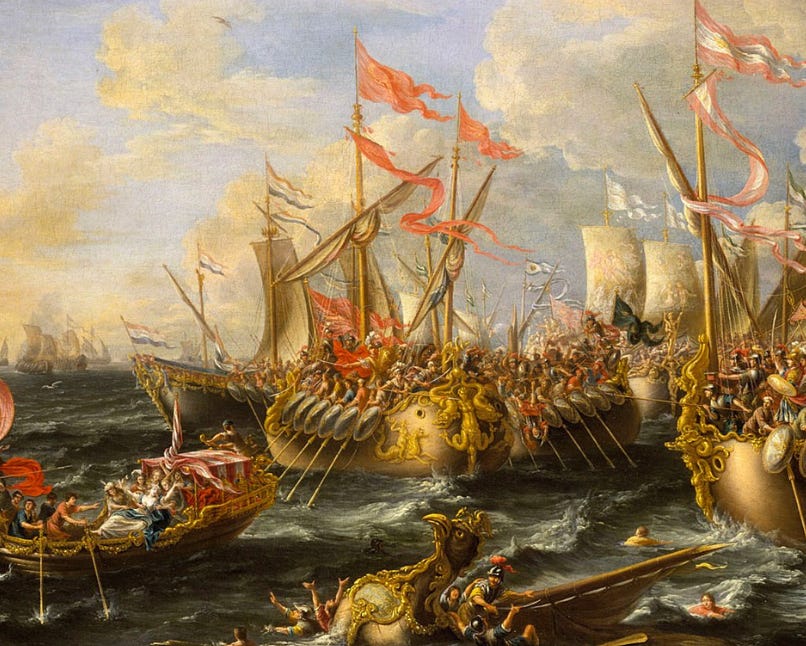
Battle of Gaugamela (331 BCE)
Why It Ranks: Tours’ role in shaping Europe’s religious and political trajectory, preventing a potential Islamic conquest, marks it as a pivotal battle
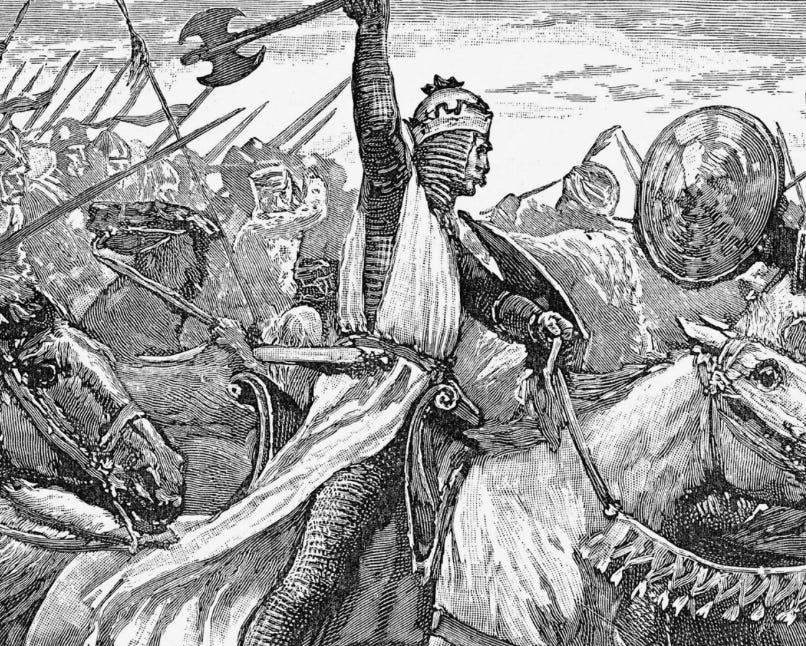
Battle of Actium (31 BCE)
Why It Ranks: Hastings’ transformation of England, a future global powerhouse, makes it a critical battle with enduring consequences
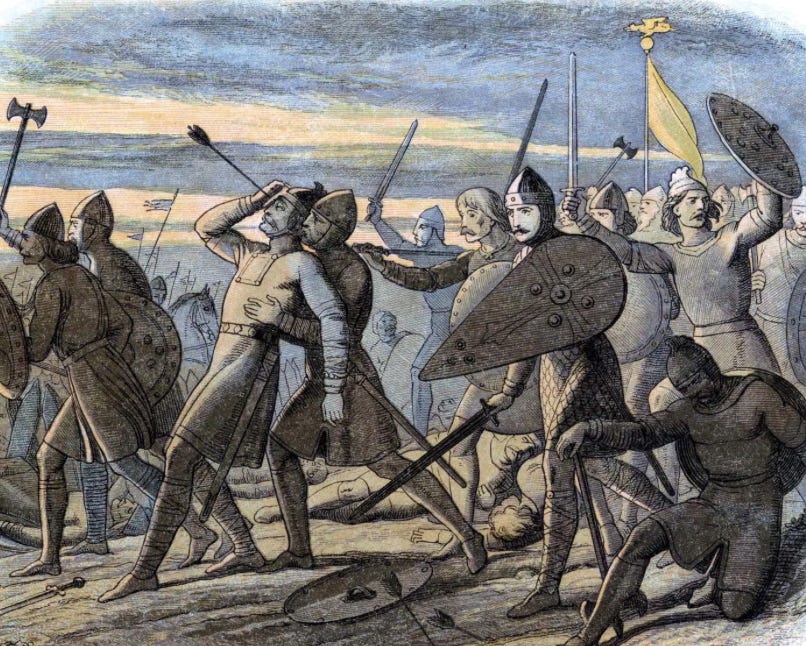
.Battle of Tours
Why It Ranks: Vienna’s role in halting Ottoman expansion and reshaping European geopolitics ensures its significance as a turning point in the struggle between empires
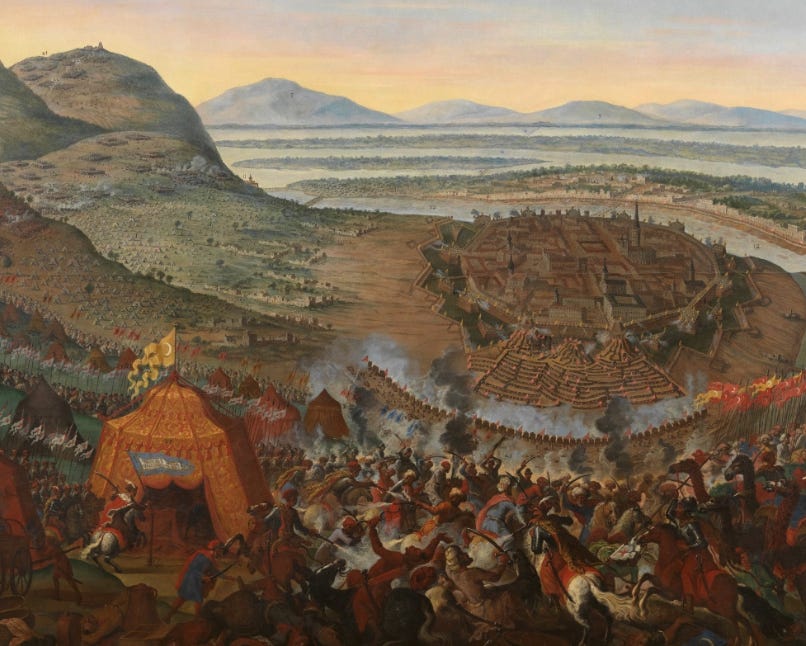
Battle of Hastings (1066 CE)
Why It Ranks: Trafalgar’s role in securing British hegemony and shaping the modern world through naval dominance makes it a pivotal battle
Battle of Vienna (1683 CE)