Table of Contents
Counterinsurgency Strategy: David Galula
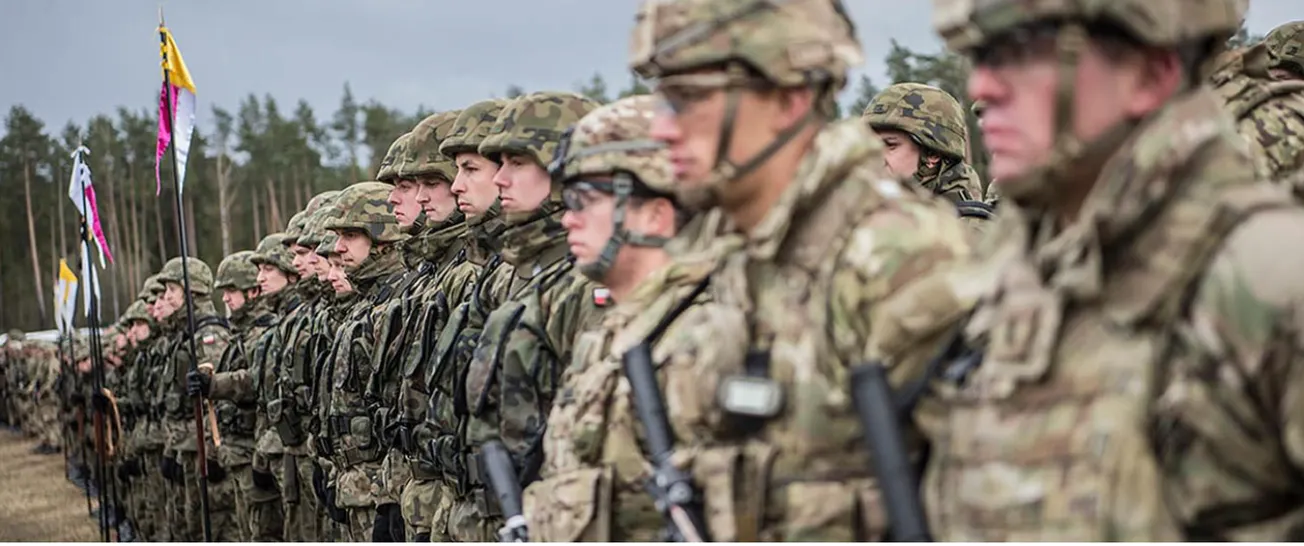
David Galula, a French military theorist, developed a counterinsurgency strategy that shaped Western campaigns in the Middle East, particularly in Iraq and Afghanistan. Unlike former colonial strategists who ignored or dismissed it, Galula recognized that insurgents, such as guerrillas or terrorists, thrive on local population support. The key to defeating an insurgency long-term, especially for a foreign military, lies in winning over the majority of locals by offering a compelling ideological or governance system that improves their lives
Strategy
Galula’s approach divides counterinsurgency theaters into manageable blocks, tackling each area systematically, starting with a “Test Area.” This initial location is chosen for its strategic importance, receptive population, and relatively weak insurgent presence, allowing regular forces to refine tactics, learn local customs, and establish a foothold for future operations. Test areas are deliberately selected for ease of occupation, serving not only to clear insurgents but also to generate propaganda value. For instance, in Afghanistan (2001–2021), the U.S. secured Kabul early, gaining 70% local support in urban areas by 2002, per Asia Foundation surveys. This success bolsters domestic support in Western nations, where prolonged conflicts often face opposition, while undermining insurgent narratives in the combat zone, sowing doubt among their local backers. Once the test area is secured, forces methodically expand to other zones, prioritizing those with minimal insurgent support.
How does a regular force secure a zone and win population support?
Galula outlines an eight-step strategy that blends military action with relationship-building to permanently neutralize insurgents:
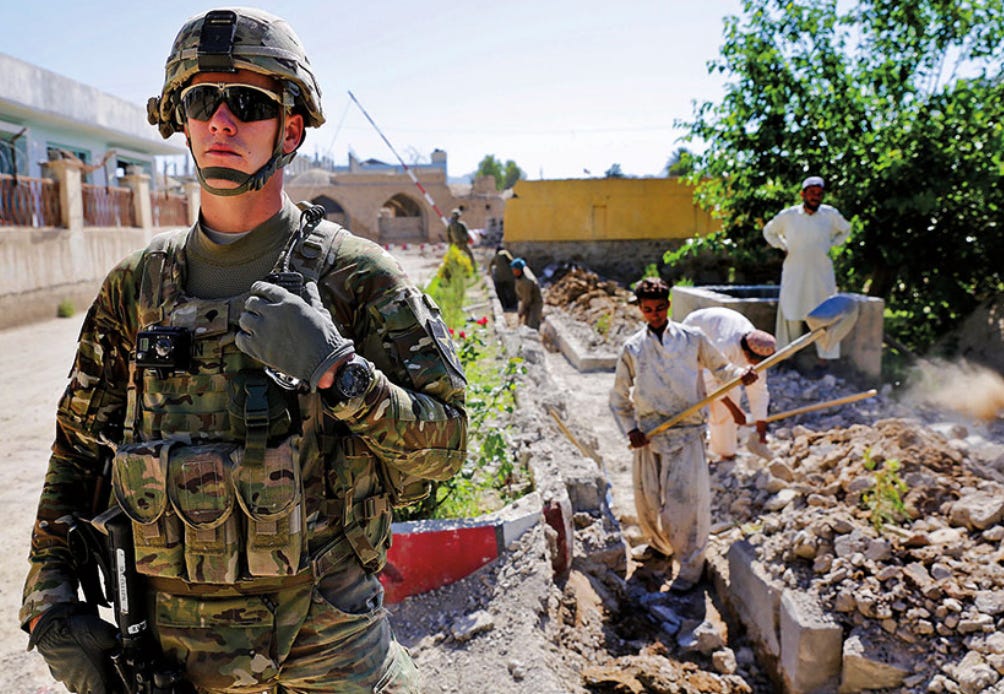
- Military Phase: Regular forces deploy significant manpower and equipment for targeted assaults on villages or areas, using precision strikes and solid intelligence to dislodge insurgents while minimizing civilian casualties. In Iraq (2003–2011), precision strikes reduced civilian deaths by 60% compared to WW2-style bombing, per Human Rights Watch. After clearing insurgents, a permanent garrison is stationed to prevent their return and shield locals from reprisals for collaborating, a critical step.
- Soldiers and diplomats then engage the population at a grassroots level, with platoons or units interacting daily with local leaders to build trust. During this phase, curfews and identity cards restrict civilian movement to limit insurgent contact.
- Phase 2: Using intelligence from informants and protected civilians, forces root out insurgent propagandists and activists embedded in communities, weakening their hold. Simultaneously, with government support, regular forces establish a new political system, empowering trusted local leaders to govern. Culturally sensitive initiatives—like building schools (e.g., 1,200 schools built in Afghanistan by 2010, boosting literacy by 20% in some provinces) or redistributing land—address local grievances, creating economic opportunities. Promoting democratic elections, protected by troops, showcases the benefits of Western governance, appealing to locals for its fairness. Throughout, efforts persist to eliminate remaining insurgent influence.
The final step involves training and arming local militias to maintain long-term peace by repelling insurgent re-entry, though this is challenging. In Iraq’s Anbar Awakening (2006–2008), 100,000 Sunni militias were trained, cutting insurgent attacks by 50% in the region
.Key Considerations
Cultural sensitivity and minimizing civilian casualties are central to Galula’s strategy, aiming for long-term bonds with the population through economic progress and security. Propaganda and psychological operations highlight regular forces’ successes, such as rebuilding infrastructure, while exposing insurgent atrocities and governance failures, swaying local opinion. Governments, with greater resources, can enhance infrastructure and quality of life—unlike underfunded insurgent groups—lending international and domestic legitimacy. Regular forces’ technological, organizational, and manpower advantages ensure victory in conventional engagements, echoing strategies like Charles Callwell’s mobile units. However, Galula warned that prolonged counterinsurgency risks asymmetric cost conflicts, where expensive large-scale operations drain resources, while low-cost guerrilla tactics sustain insurgents. This is particularly tough for democratic nations, where public support wanes—e.g., U.S. support for Afghanistan fell to 35% by 2014, per Gallup polls. Thus, psychological undermining of insurgents must complement military strength and population engagement.
Jihadist Strategy: Abu Bakr Naji
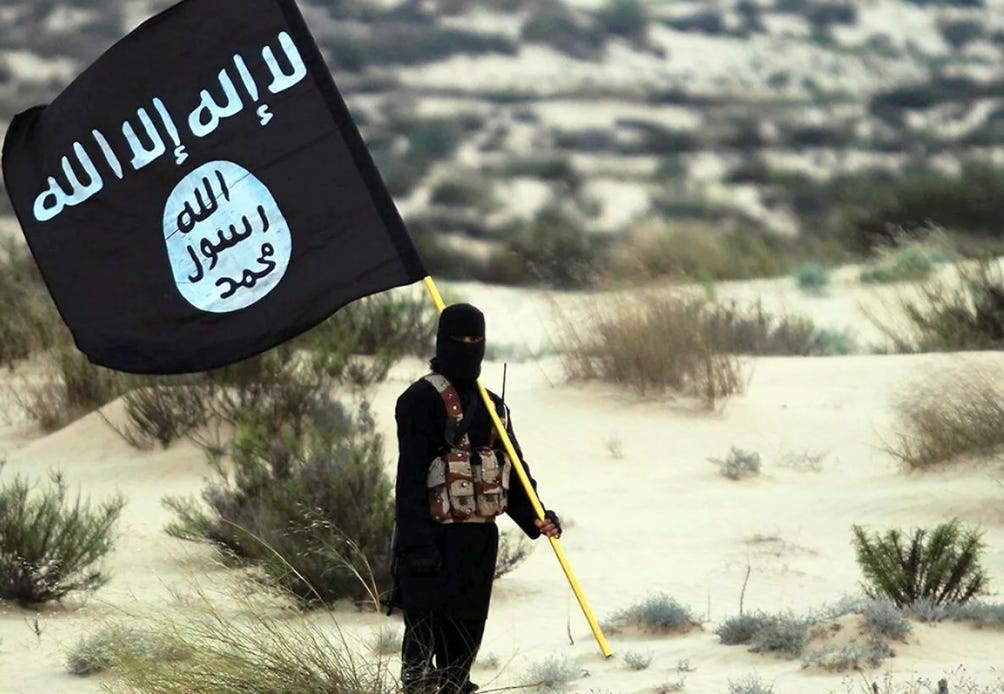
Abu Bakr Naji, an al-Qaeda strategist, authored The Management of Savagery, considered a definitive guide for jihadist strategies to establish an Islamic state and undermine Western interests in the Middle East
How He Proposed to Do It
Naji’s strategy, “The Management of Savagery,” centers on destabilizing apostate Muslim states through chaos, creating fertile ground for jihadist takeover. Jihadists provoke disorder via terror attacks, sectarian violence, and societal polarization, exhausting regime resources with relentless, low-level, high-impact violence in targeted communities. This invites heavy-handed government responses, fostering anarchy. For example, ISIS’s 2014 Mosul takeover saw 500,000 residents initially support them due to anti-government grievances, per UN reports. Jihadists then present themselves as heroes, offering order and addressing local issues like security or economic hardship, winning over populations. Propaganda can spark riots without military action, amplifying narratives of government oppression of marginalized groups, positioning jihadists as the natural resistance. This leapfrog strategy—creating chaos, seizing control, and repeating—builds resource and recruitment hubs. Media and graphic violence, portraying jihadists as religious warriors and governments as anti-Islamic oppressors, attract young recruits seeking glory, with over 5,000 global lone-wolf attacks linked to jihadist propaganda from 2001–2020, per the Global Terrorism Database. Once local control is secured, jihadists transition to conventional forces, forming alliances with dissident groups, unifying command, and developing military capabilities, while using propaganda and diplomacy to gain global legitimacy.
Propaganda’s Role
Jihadist propaganda serves multiple goals:
- In apostate regions, it highlights regimes’ un-Islamic practices, Western alliances, and human rights abuses, framing them as betrayers of Muslim communities.
- In Western nations, it fuels anti-war sentiment by showcasing civilian casualties from airstrikes—e.g., 1,800–3,200 civilian deaths in Iraq and Syria (2014–2017), per Airwars—and abuses like Guantanamo Bay, weakening public support for interventions.
It radicalizes young Western Muslims for lone-wolf attacks, with 30,000 Western ISIS recruits by 2014, per Europol, often driven by anti-Islamic sentiment post-2014 European attacks.
Approach to the West
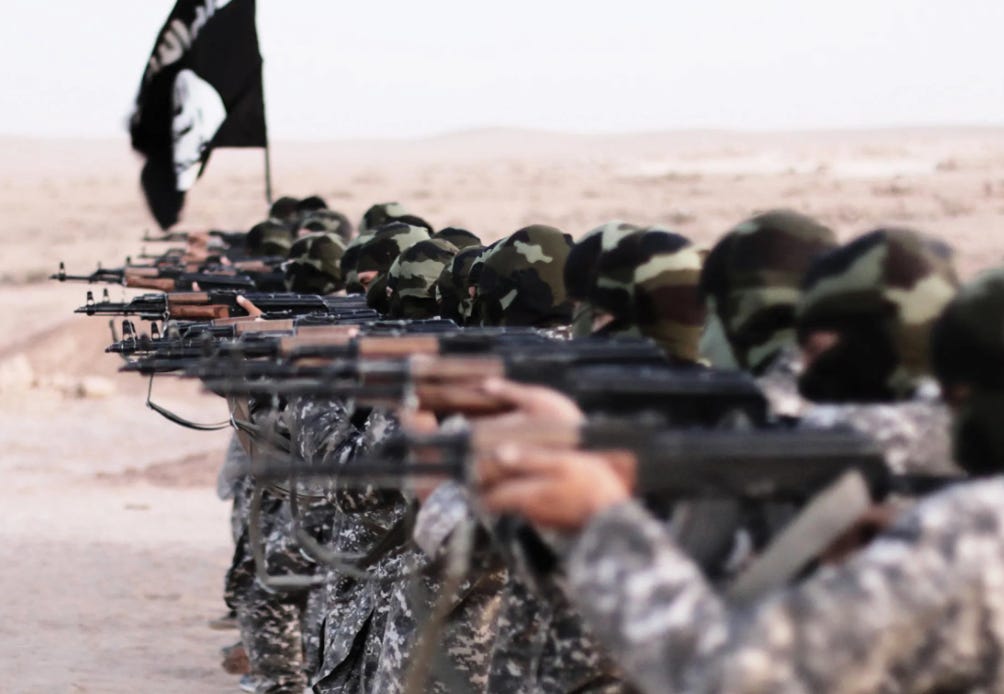
Naji’s strategy rapidly targets the West, acknowledging NATO’s presence in Muslim lands. Jihadists aim to draw Western powers into costly, protracted conflicts, draining them economically and socially to force withdrawal and enable an Islamic state. This is achieved through terrorism, with propaganda inspiring decentralized lone-wolf or small-cell attacks by radicalized diaspora Muslims, targeting soft civilian sites. These attacks polarize Western societies, spurring anti-Muslim sentiment and laws, which radicalize local Muslims further, creating recruitment hotspots. Naji argues that as terrorism intensifies, native populations turn against Muslim minorities, fueling persecution and boosting jihadist ranks. The violent propaganda glorifies these acts, attracting young men seeking misguided religious purpose.
Attrition-Based Strategy
Jihadists target Western economic interests to sustain long conflicts, banking on social fragmentation as casualties and costs mount, compelling withdrawal. Propaganda emphasizing civilian losses from airstrikes galvanizes anti-war protests, aiding jihadist territorial gains as Western forces retreat, as seen with declining U.S. support for Iraq and Afghanistan interventions by the mid-2010s.