Table of Contents
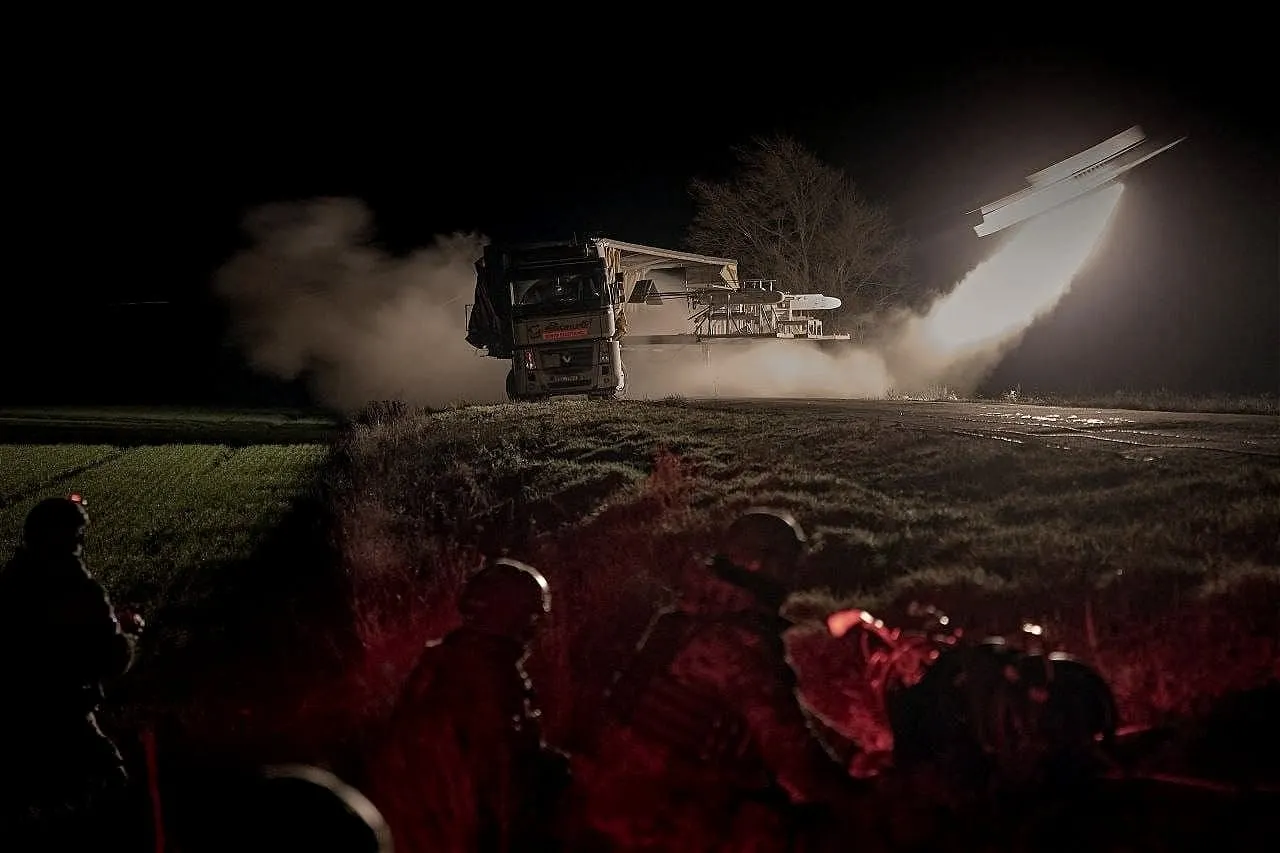
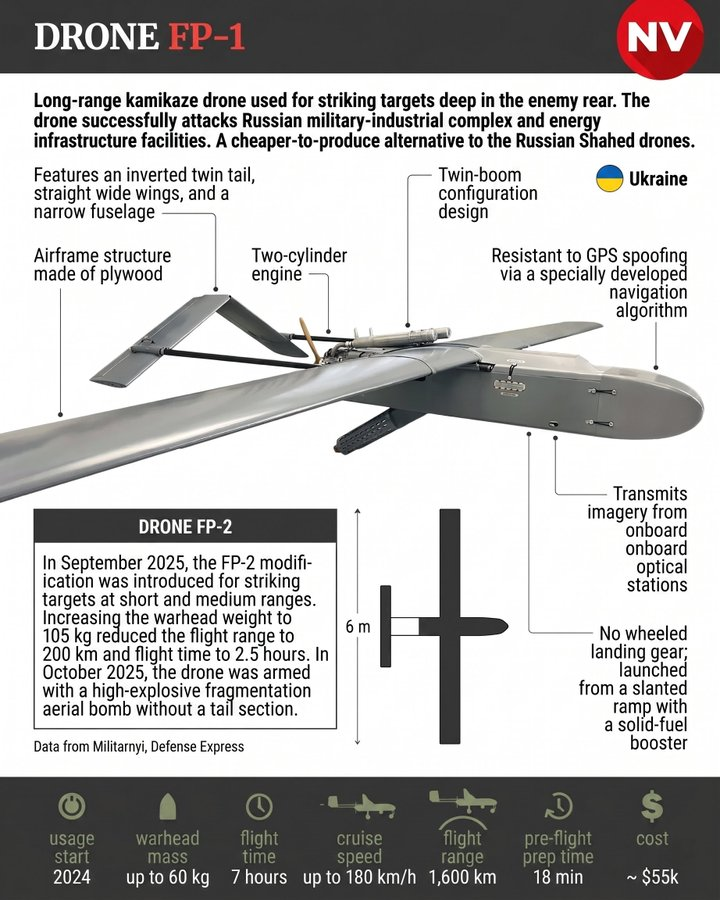
Near Kyiv, Fire Point- a Ukrainian military technology company that manufactures attack drones- says it is producing around 300 FP-1 and FP-2 long- and medium-range drones per day, at roughly €55,000 each. These systems are being used daily against Russian targets, from airfields and logistics hubs to oil infrastructure deep inside Russia.
The shift in Ukraine's momentum is visible on two fronts: its increased capability to launch long-range strikes into Russia, and a growing drone "kill zone" along the front line. Ukrainian FPV and fibre-optic drones have helped create a roughly 20km-deep danger zone, making Russian armoured assaults harder and more costly.
Ukraine’s defence ministry claims domestic drone production has surged in the first four months of the year. Reconnaissance drone output is reportedly up 441% on the total for all of 2025, mid-strike drones up 312%, deep-strike systems up 53%, and fibre-optic FPV drone production up 179%.
The battlefield effect is also being measured in casualties. Kyiv claims Russia suffered around 35,000 killed or severely wounded in both March and April, while recruiting around 29,500 new troops per month. Ukraine’s stated goal is to remove 50,000 Russian troops per month from the battlefield- faster than they can be replaced by new conscripts.
Long-range drones are also extending the war into Russia itself. Ukrainian strikes have hit oil refineries, airfields and military sites hundreds of kilometres from the front. Moscow has faced its largest drone attacks of the war, while Russian targets have been struck as far away as the Urals.
The newer development is Ukraine’s use of medium-range drones to hit Russian logistics between roughly 30km and 200km-plus behind the front. These strikes are forcing Russia to move depots from around 80km behind the line to 120-150km, and sometimes onto Russian territory itself. Additionally Russian territorial advances have slowed: Black Bird Group data suggests Russia gained only 94 sq km last month, among its lowest monthly totals in two years.
Ukraine’s position remains fragile - facing manpower shortages, Russian glide bombs, continued attacks on energy infrastructure and uncertainty over foreign support. But the drone war has changed the balance. The good news is that Kyiv is no longer dependant only on western missiles to strike deep, nor only on infantry to hold the line.
The broader signal stays the same as always - in war, production capacity matters above all else. Ukraine’s advantage is not just that its drones are effective, but that they can be built, adapted and launched at a scale not seen before.